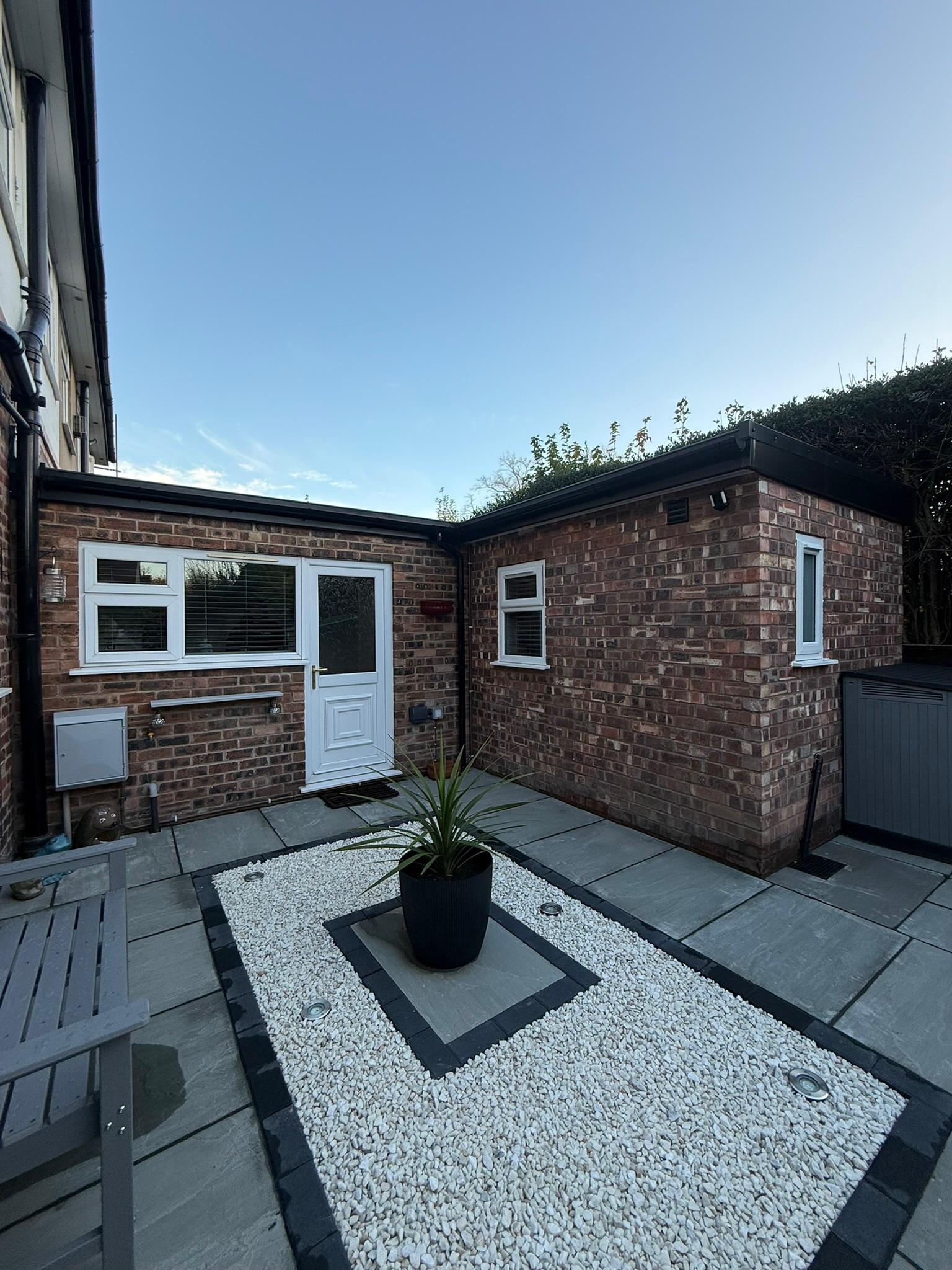
What Is the Most Expensive Part of a House Extension and How Can You Reduce the Cost?
The Biggest Costs in a House Extension Explained
If you're planning a house extension, one of the first questions you'll probably ask is:
"What's actually going to cost the most?"
Many homeowners assume the walls, roof or finishes are the biggest expense, but in reality several different factors can significantly impact the final cost of an extension.
Understanding where your money goes can help you budget more effectively and avoid unexpected surprises during the build.
At Convert Your Garage, we've completed extensions across Greater Manchester and the North West, and we've found that the most expensive elements are not always what homeowners expect.
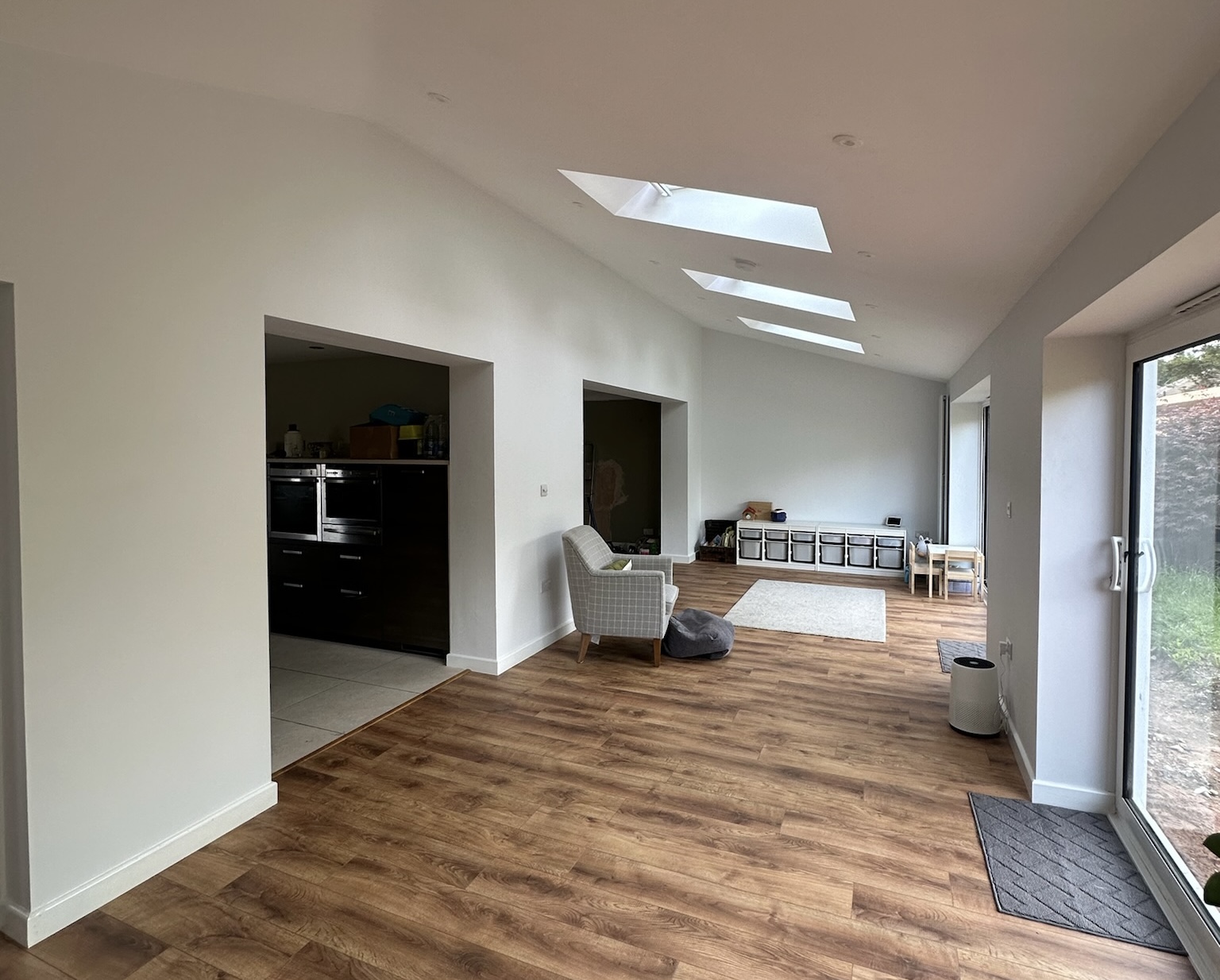
What Is Usually the Most Expensive Part of a House Extension?
For most projects, the largest costs are typically:
Groundworks and foundations
Structural steelwork
Roofing
Large glazing and bifold doors
Kitchens and bathrooms
Labour
The exact balance depends on the size and complexity of the extension, but these areas usually account for the majority of the budget.
Foundations and Groundworks
Many homeowners are surprised to learn that a significant portion of an extension budget is spent before any walls are built.
Groundworks can include:
Excavation
Foundations
Drainage alterations
Concrete
Utility diversions
Ground conditions can vary dramatically between properties. If deeper foundations are required due to soil conditions, trees or nearby structures, costs can increase quickly.
This is one reason why extension costs can differ so much between apparently similar houses.
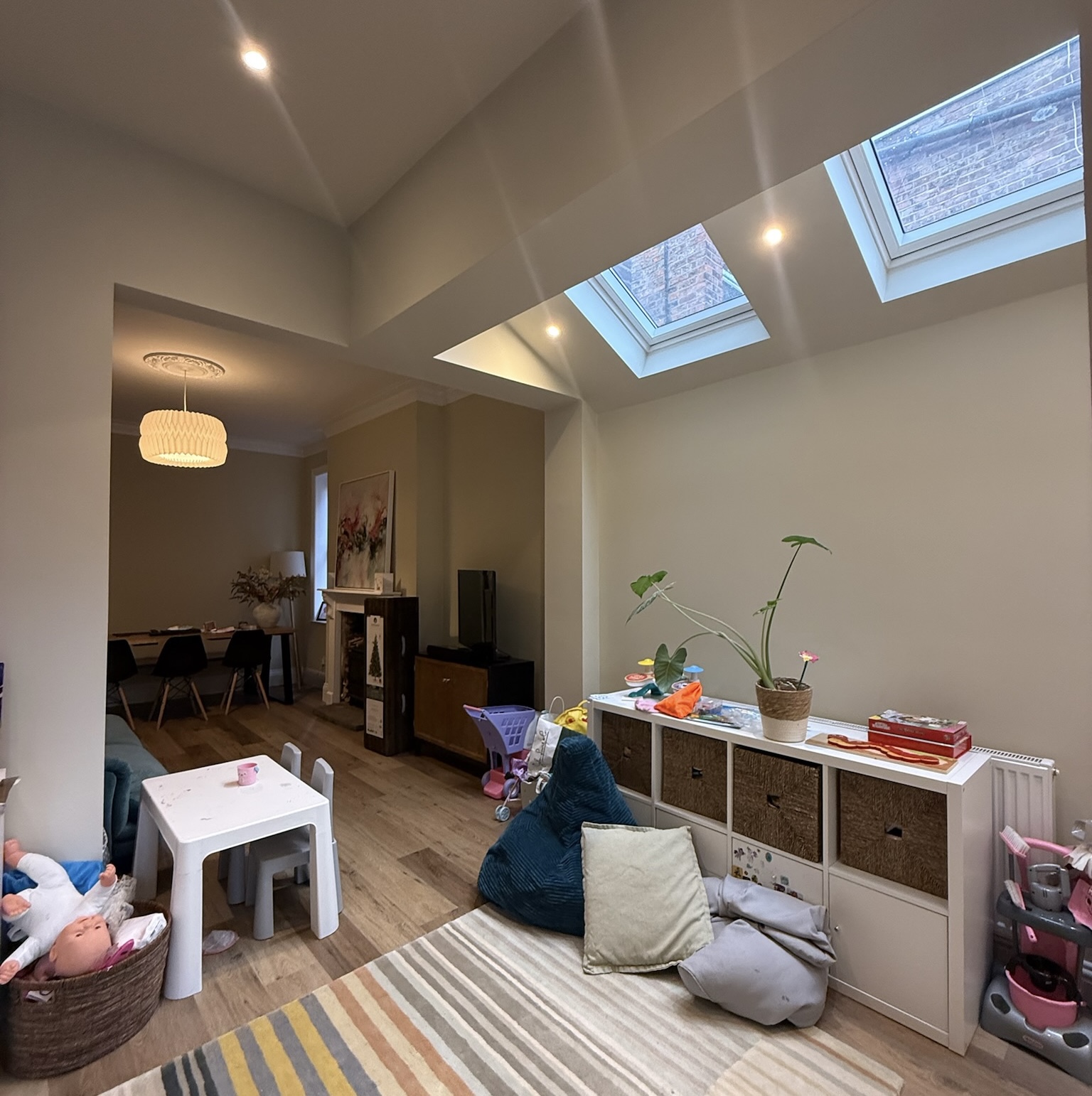
Structural Steel Beams
Modern extensions often involve creating open plan living spaces.
To achieve this, existing load bearing walls frequently need to be removed and replaced with structural steel beams.
Steelwork costs include:
Structural engineer calculations
Manufacturing
Delivery
Installation
Temporary supports during construction
Larger openings generally require larger steels, which naturally increases costs.
Roofing Costs
The roof is another major expense.
Depending on the design, roofing costs can include:
Timber structures
Insulation
Roof coverings
Skylights or roof lanterns
Fascias and guttering
Flat roofs can often be more affordable than complex pitched roof designs, although every property is different.
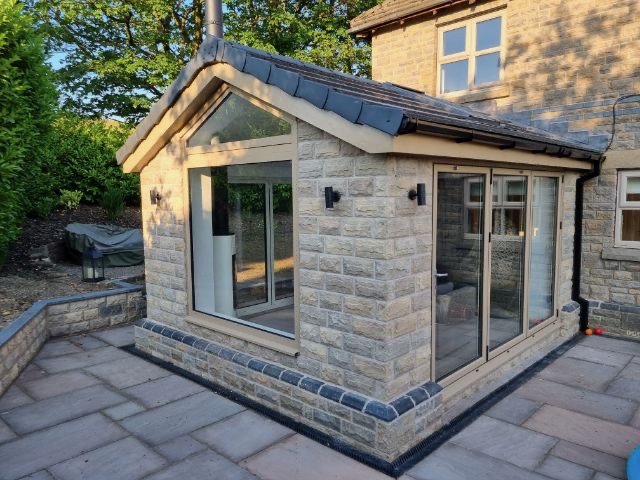
Bifold Doors and Large Windows
Many homeowners want to maximise natural light and create a seamless connection to the garden.
Features such as:
Bifold doors
Sliding doors
Aluminium glazing
Roof lanterns
can look fantastic, but they can also become one of the largest individual expenses within a project.
Large openings may also require additional structural support, adding further costs.
Kitchens and Bathrooms
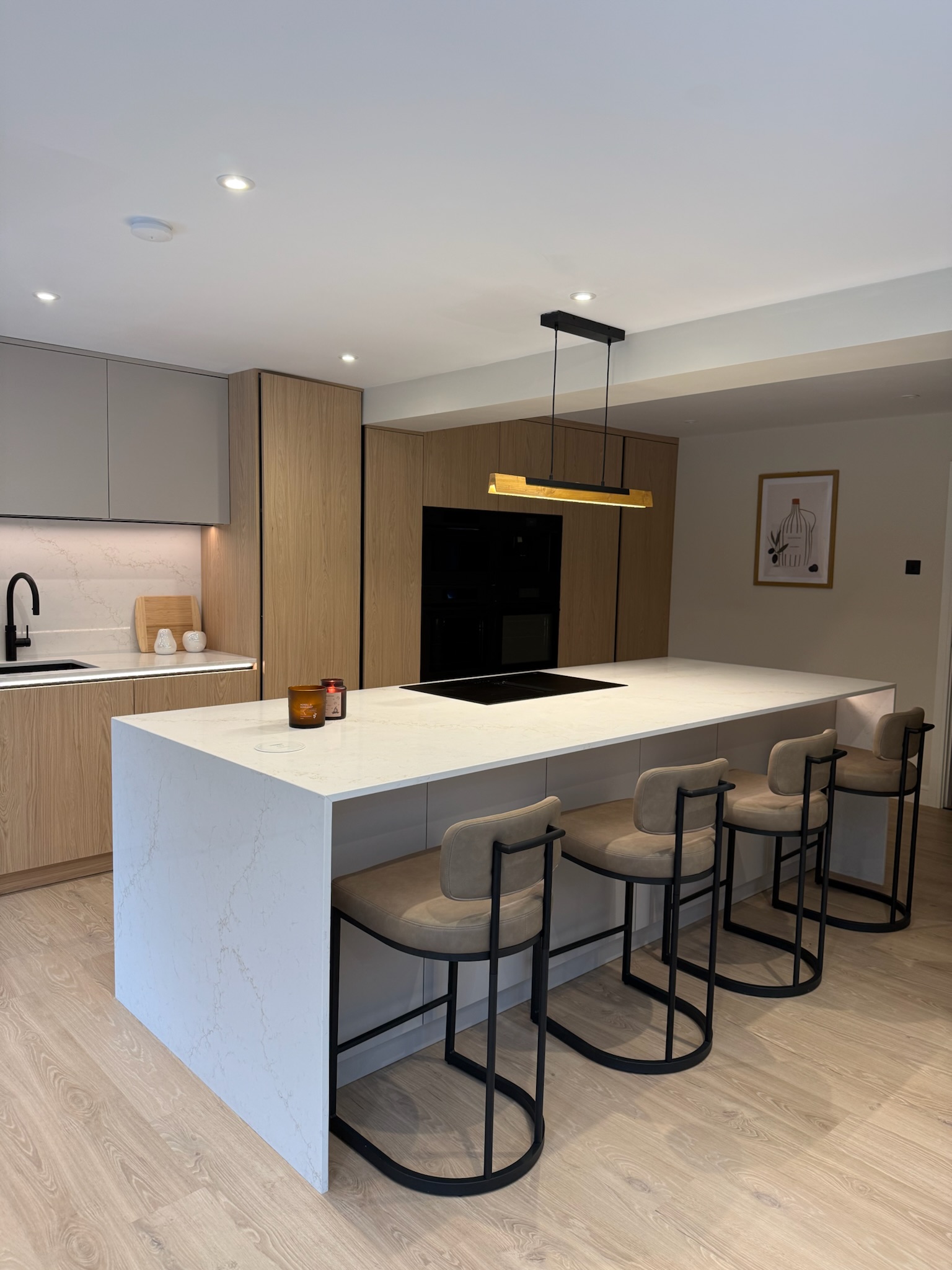
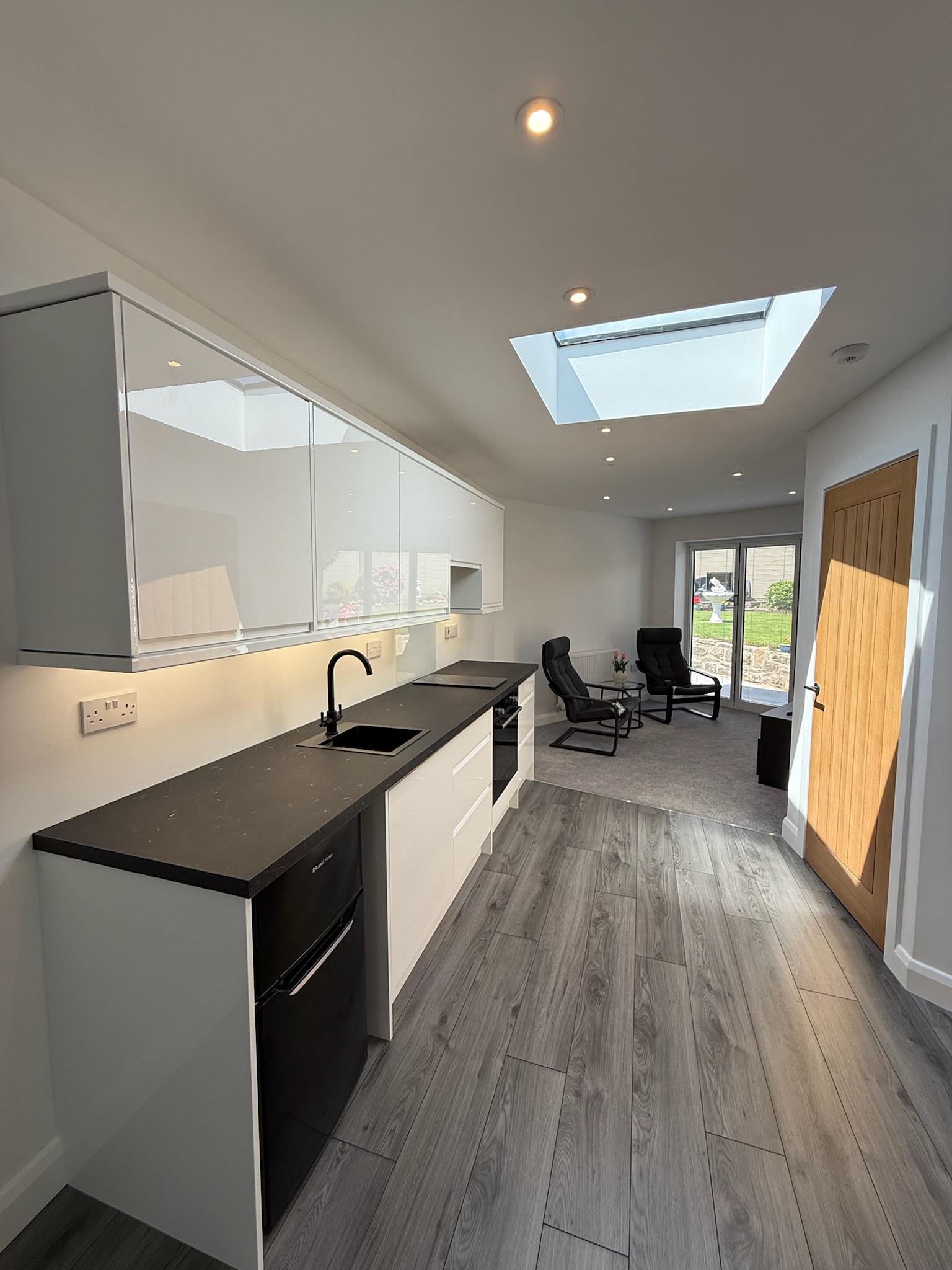
If your extension includes a new kitchen, utility room or bathroom, these areas can quickly become some of the most expensive parts of the project.
Costs often include:
Units and cabinetry
Worktops
Appliances
Plumbing
Electrical work
Tiling
Many homeowners find that the kitchen budget alone can rival the construction cost of part of the extension itself.
Labour Costs
Labour typically accounts for a substantial proportion of any extension budget.
A house extension may involve:
Groundworkers
Bricklayers
Roofers
Electricians
Plumbers
Joiners
Plasterers
Decorators
Choosing experienced professionals is important, as poor workmanship can often cost more to rectify later.
How Can You Reduce Extension Costs?
Reducing costs doesn't necessarily mean compromising on quality.
Some practical ways to control your budget include:
Keep The Design Simple
Complex layouts, unusual shapes and multiple roof designs generally increase costs.
Simple rectangular extensions are often the most cost effective.
Plan Everything Early
Late changes can be expensive.
Having clear plans and specifications before work begins helps avoid unexpected costs during construction.
Be Selective With Premium Features
Large glazing, roof lanterns and high end finishes can transform a space, but they can also significantly increase the budget.
Consider where these features will have the greatest impact.
Work With Experienced Professionals
Accurate quotations, realistic budgeting and proper project management help reduce costly surprises.
Is An Extension Always The Best Value Option?
Not necessarily.
Many homeowners automatically assume they need an extension when a garage conversion, loft conversion or internal remodelling may achieve similar results for significantly less money.
This is why it's important to explore all available options before making a decision.
A professional survey can help determine the most cost effective way to create the extra space you need.
Final Thoughts
The most expensive part of a house extension is often a combination of foundations, structural work, roofing, glazing and internal finishes rather than one single element.
Understanding these costs early can help you make smarter decisions, prioritise your budget and avoid unexpected surprises during the project.
Whether you're planning a rear extension, side extension or larger home renovation, careful planning is one of the best ways to maximise value and keep costs under control.
Thinking About Extending Your Home?
Convert Your Garage has been helping homeowners create additional living space since 2002. From garage conversions and home extensions to loft conversions and full property renovations, our experienced team manages projects throughout Greater Manchester and the North West.
You can also see our latest projects and transformation ideas on our Facebook page at https://www.facebook.com/convertyourgarage/?locale=en_GBand TikTok at https://www.tiktok.com/@convertyourgarage.
Contact our team today to arrange your free survey and no obligation quotation.
