What's The Difference Between Planning Permission And Building Regulations?
Planning Permission Vs Building Regulations: What Homeowners Need To Know
One of the most common questions we hear from homeowners is:
"What's the difference between planning permission and building regulations?"
It's easy to see why people get confused. Both are connected to home improvements, both involve rules and approvals, and both are often mentioned when discussing garage conversions, loft conversions and extensions.
However, planning permission and building regulations are completely different.
Understanding the difference can save you time, money and unnecessary stress when planning your project.

What Is Planning Permission?
Planning permission is concerned with how a development affects the appearance of a property and its impact on the surrounding area.
Your local council uses planning rules to make sure developments are suitable for the location and do not negatively affect neighbouring properties.
Planning permission may consider things such as:
The size of the project
The height of the development
How close it is to neighbouring properties
Parking arrangements
The appearance of the building
Impact on the local area
For example, some larger extensions require planning permission because they change the external appearance and footprint of the property.
Many garage conversions, however, can be completed under permitted development rights and do not require a planning application.

What Are Building Regulations?
Building regulations are completely separate from planning permission.
They focus on ensuring that construction work is safe, structurally sound and energy efficient.
Building regulations apply to most garage conversions, loft conversions and extensions, even when planning permission is not required.
Building control officers inspect the work throughout the project to ensure it meets current regulations.
Areas they assess include:
Structural integrity
Foundations
Fire safety
Ventilation
Insulation
Drainage
Electrical work
Energy efficiency
Escape routes
Damp prevention
Once the work has passed all inspections, a completion certificate is issued.
At Convert Your Garage, every conversion is inspected and approved by building control, giving homeowners complete peace of mind.
Can You Need Building Regulations But Not Planning Permission?
Yes.
In fact, this is one of the most common situations.
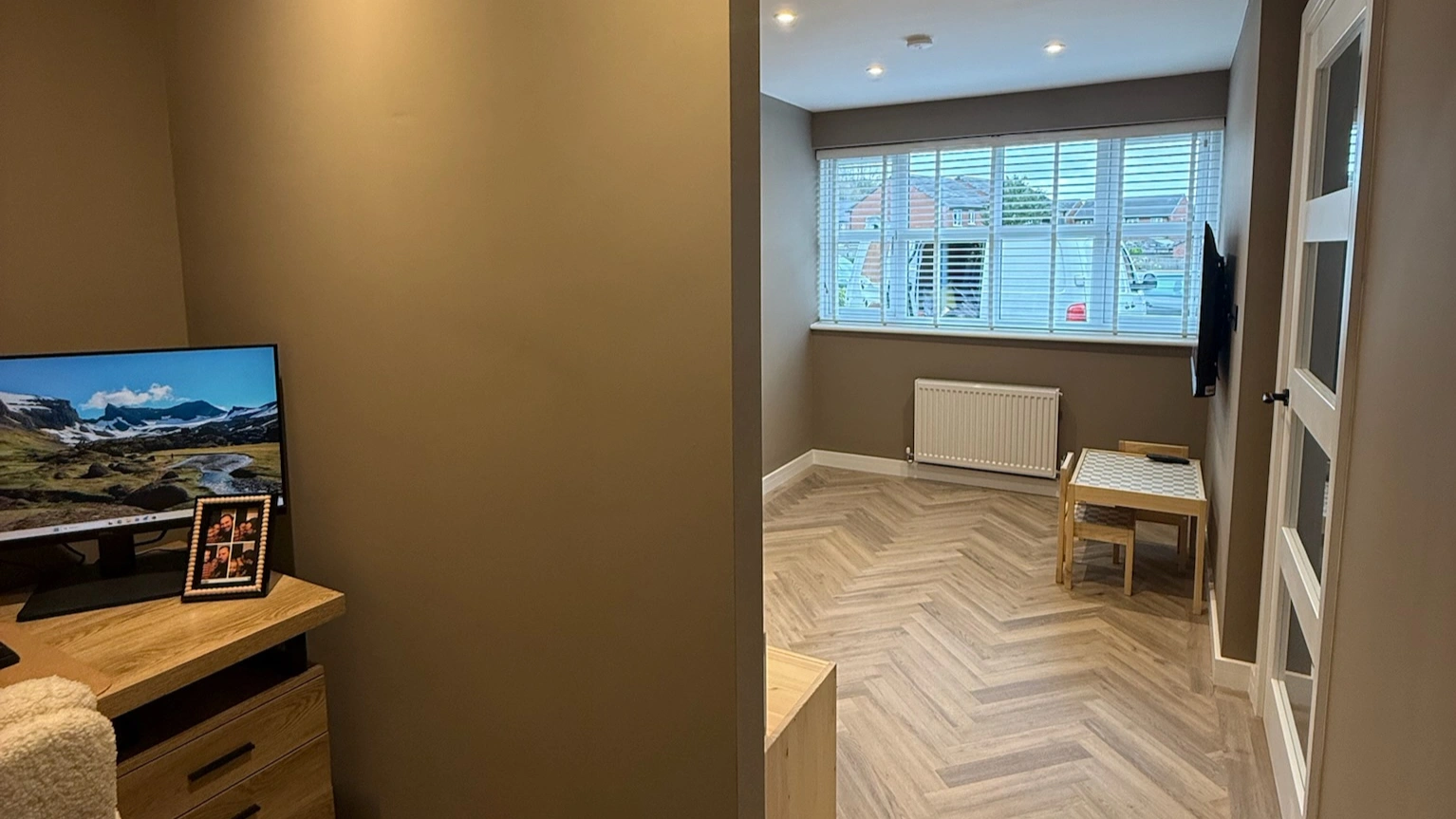
Many garage conversions do not require planning permission, but they almost always require building regulations approval.
For example, converting a garage into:
A bedroom
Home office
Playroom
Gym
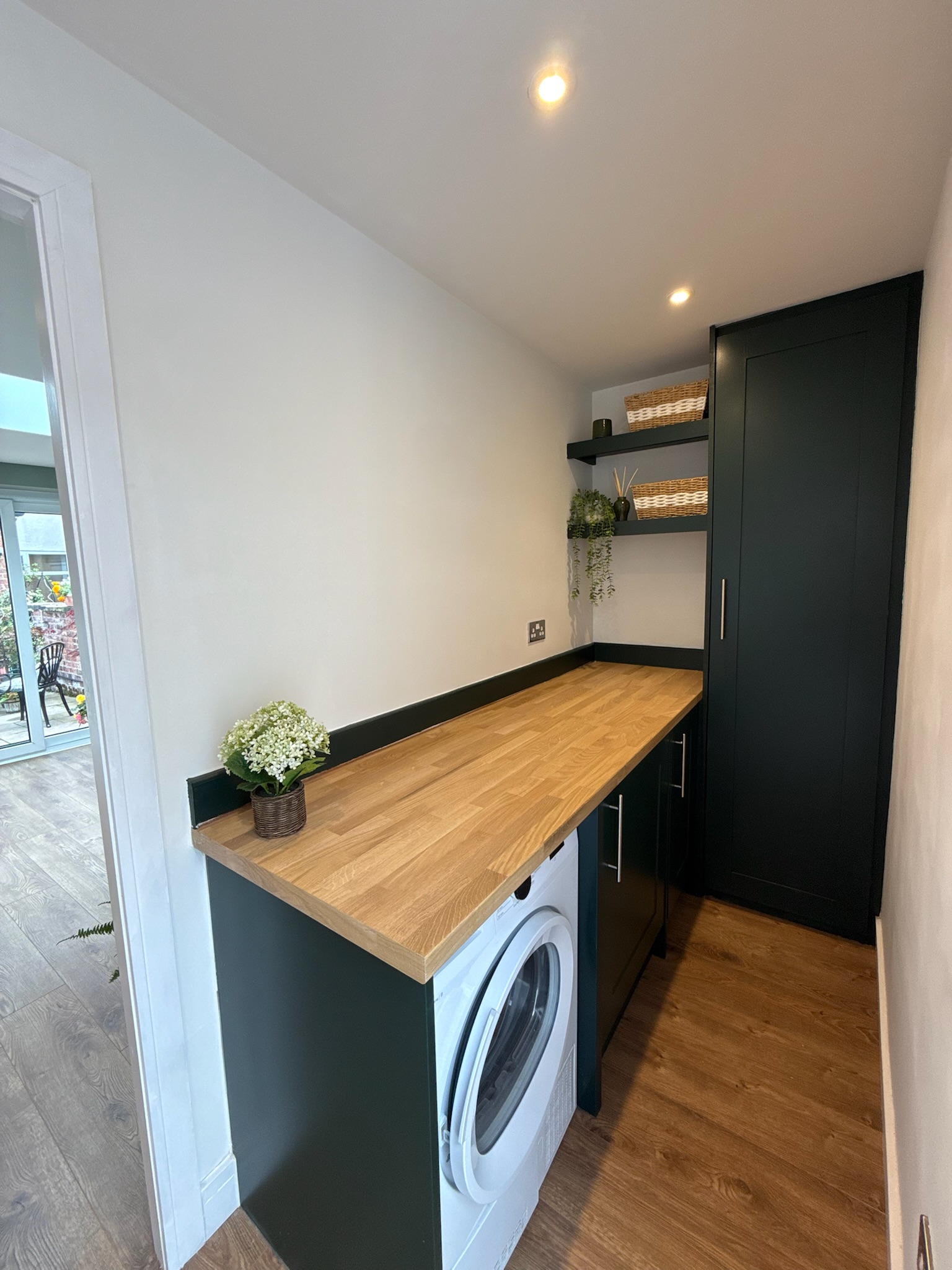
Utility room
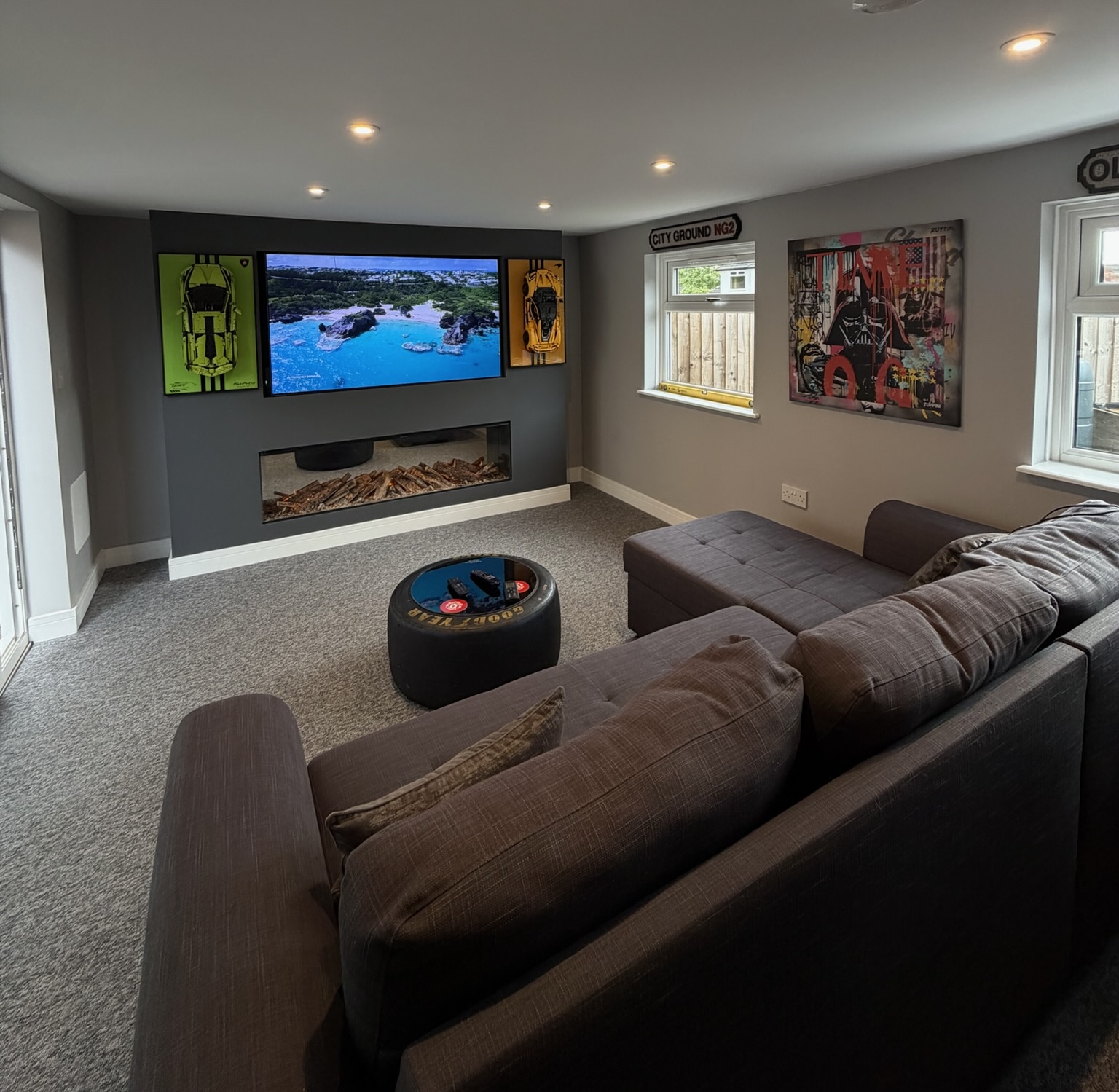
Living room
will usually need building regulations approval, even if no planning application is required.
This is because the space is changing from storage or vehicle use into a habitable room.
Can You Need Planning Permission But Not Building Regulations?
This is much less common.
Most projects that require planning permission will also need building regulations approval because construction work is being carried out.
The two approvals serve different purposes and are often required together on larger projects.
Garage Conversion Example
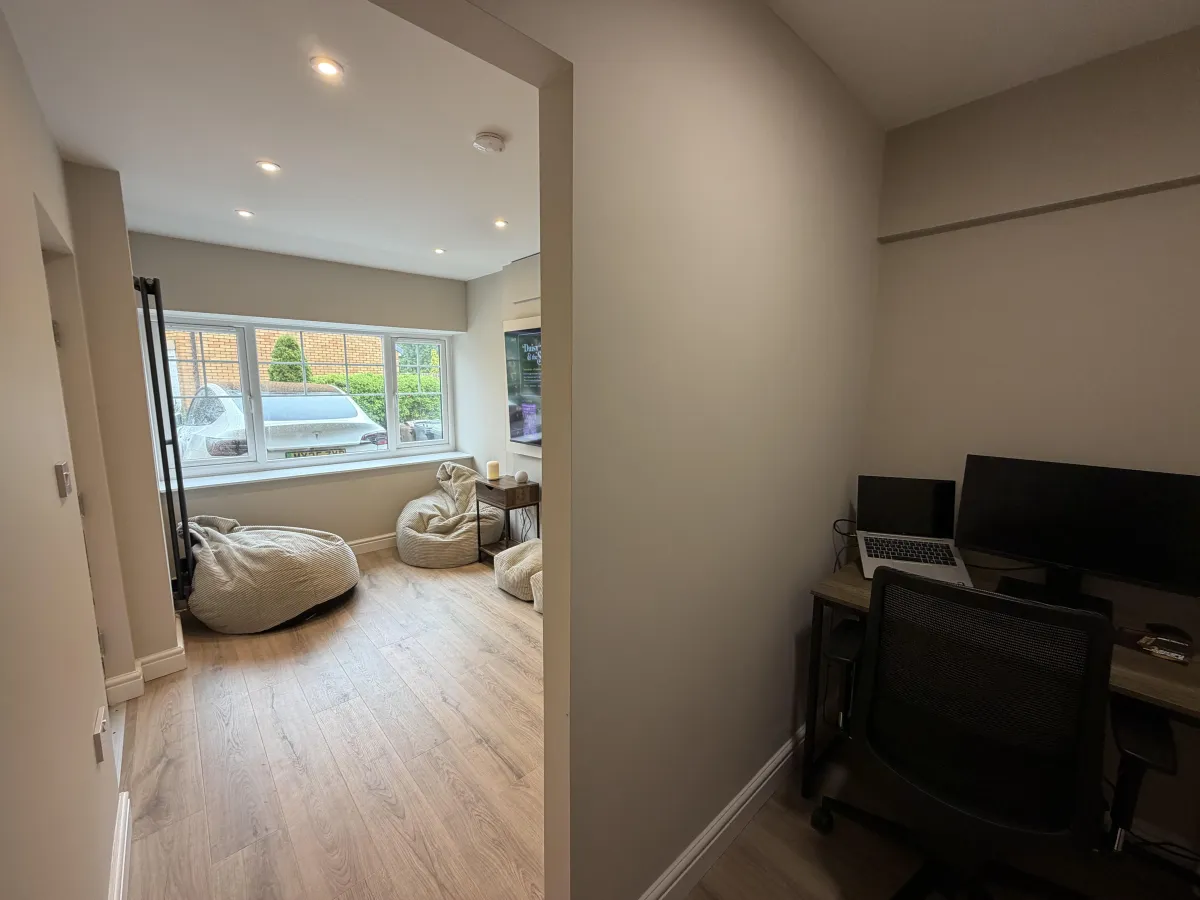
Imagine you convert your attached garage into a home office.
The external appearance of the property remains largely unchanged, so planning permission may not be required.
However, building regulations approval will still be needed to ensure:
The floor is properly insulated
The walls meet thermal requirements
Ventilation is adequate
Electrical work is compliant
The structure is safe
This is why homeowners are often surprised to learn that building regulations are usually the more important approval for a garage conversion.
What Happens If You Skip Building Regulations?
Skipping building regulations can create significant problems in the future.
You may struggle when:
Selling your property
Remortgaging
Making insurance claims
Proving the work meets current standards
Many buyers and solicitors will ask to see building control certificates before completing a purchase.
Without them, delays and additional costs can arise.
What About Loft Conversions And Extensions?
The same principle applies.
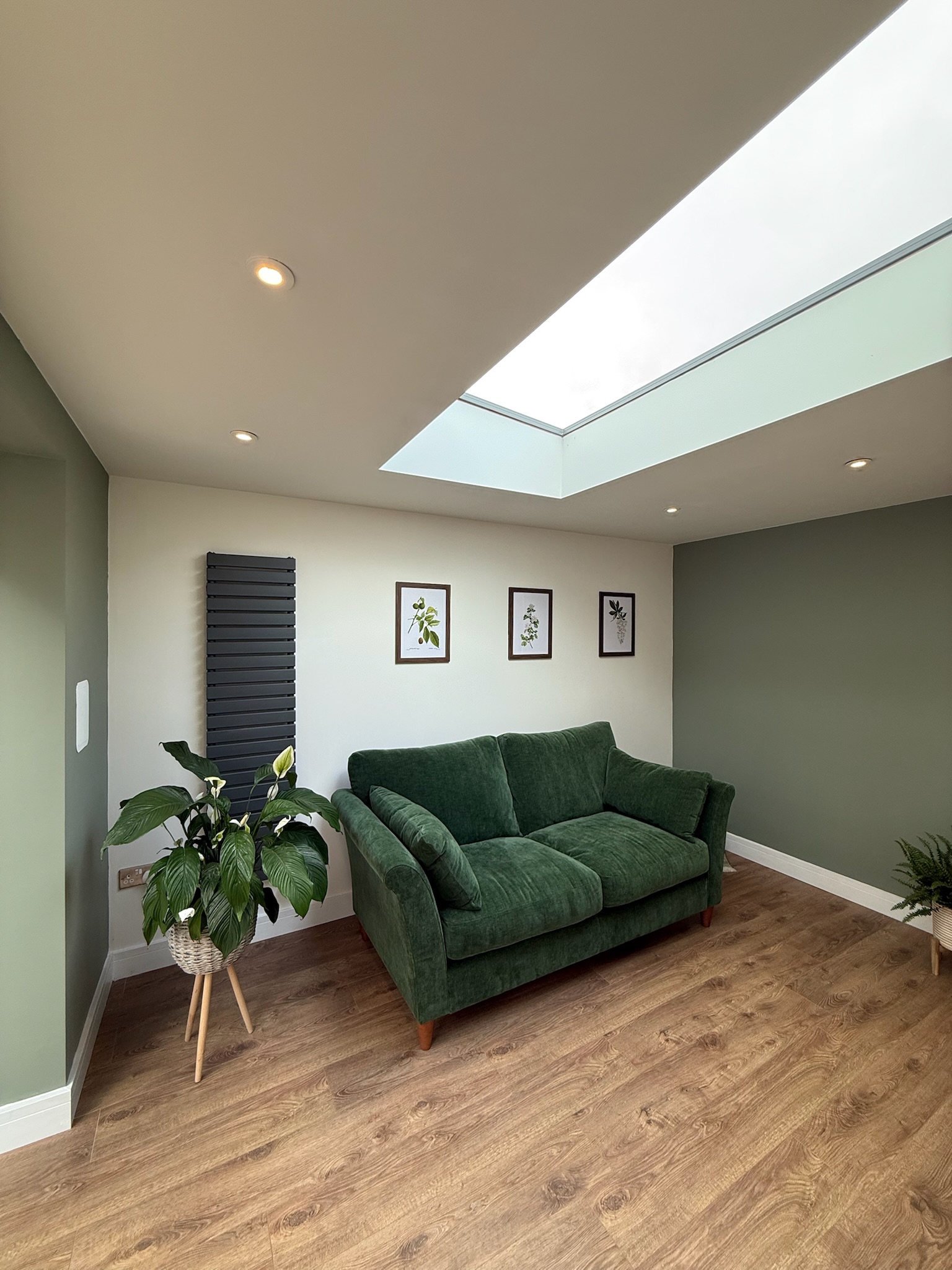
Some loft conversions and extensions can be completed under permitted development rights without planning permission.
However, they will still require building regulations approval to ensure they meet modern safety and construction standards.
This is why it's important not to assume that "no planning permission" means "no approvals required."
How Do You Know What You Need?
Every property is different.
Factors such as location, previous alterations, permitted development rights and the size of the project can all affect whether planning permission is required.
The good news is that experienced conversion specialists can advise you from the beginning and guide you through the process.
At Convert Your Garage, we help homeowners across Greater Manchester and the North West understand exactly what approvals are needed before work begins.
Final Thoughts
Planning permission and building regulations are often confused, but they have very different roles.
Planning permission focuses on how a development affects the property and surrounding area.
Building regulations focus on making sure the work is safe, compliant and built to modern standards.
For most garage conversions, building regulations approval will be required even when planning permission is not.
Understanding the difference early can help your project run smoothly and avoid costly issues later on.
Thinking About A Garage Conversion?
Whether you're planning a home office, bedroom, gym, playroom or annexe, our team can advise you on planning permission, building regulations and every stage of the conversion process.
Follow our latest projects and advice on Facebook at https://www.facebook.com/convertyourgarage/?locale=en_GBand TikTok at https://www.tiktok.com/@convertyourgarage.
For a free no obligation survey and quote, contact Convert Your Garage today and find out how much extra space may already be sitting unused in your home.
