Can My Neighbour Stop Me Converting My Garage?
It’s a worry we hear fairly regularly, usually before anything’s actually happened, just the uneasy feeling of picturing an awkward conversation with next door before it’s even taken place. The short answer is that a neighbour generally can’t stop a lawful garage conversion, but there’s more nuance to it than a flat yes or no, and it’s worth understanding where their views genuinely do come into it, and where they don’t. This is general information based on our experience managing garage conversions, not legal advice, so if a specific dispute ever arises, it’s always worth getting proper legal guidance for your situation.
Objecting Personally Versus Having A Formal Route To Comment
These are two very different things, and the distinction matters. A neighbour can always raise a personal objection to you directly, over the fence, by letter, however they choose. Whether that objection carries any actual weight depends entirely on whether your project needs planning permission in the first place. Where it doesn’t, there’s no formal council process for a neighbour to comment through at all, whatever they might say to you personally. Where it does, they gain a genuine, structured route to be heard, which is a different situation entirely.
What Happens Where Planning Permission Is Required
Most garage conversions fall under Permitted Development, meaning no application is submitted and nothing changes for neighbours procedurally. We’ve covered when this applies, and when it doesn’t, in our guide on whether you need planning permission for a garage conversion.
Where a full application is needed, your local authority will notify neighbours, typically by letter and often with a site notice too, and give them a set consultation period, usually around 21 days, to submit comments. This is a genuine, formal opportunity to object, and it’s the stage where understanding what actually counts matters most.
What Councils Can Actually Consider
This is where a lot of the anxiety around neighbour objections comes from, and it’s usually unfounded once you understand how the system works. Planning officers are legally required to base their decision on material planning considerations, not on how many people are unhappy or how strongly they feel about it. Material considerations that regularly come up include loss of privacy through overlooking, loss of light or overshadowing, noise, highway safety and parking, and whether the design and scale fit the character of the area.
Just as important is what doesn’t count. Loss of property value, a private dispute unrelated to planning, personal dislike of the project, or simply losing a view are all treated as non-material considerations, and a council is expected to disregard them when reaching a decision, however genuinely upset a neighbour might be about them.
Does Changing The Garage Door Or Adding Windows Create Genuine Concerns?
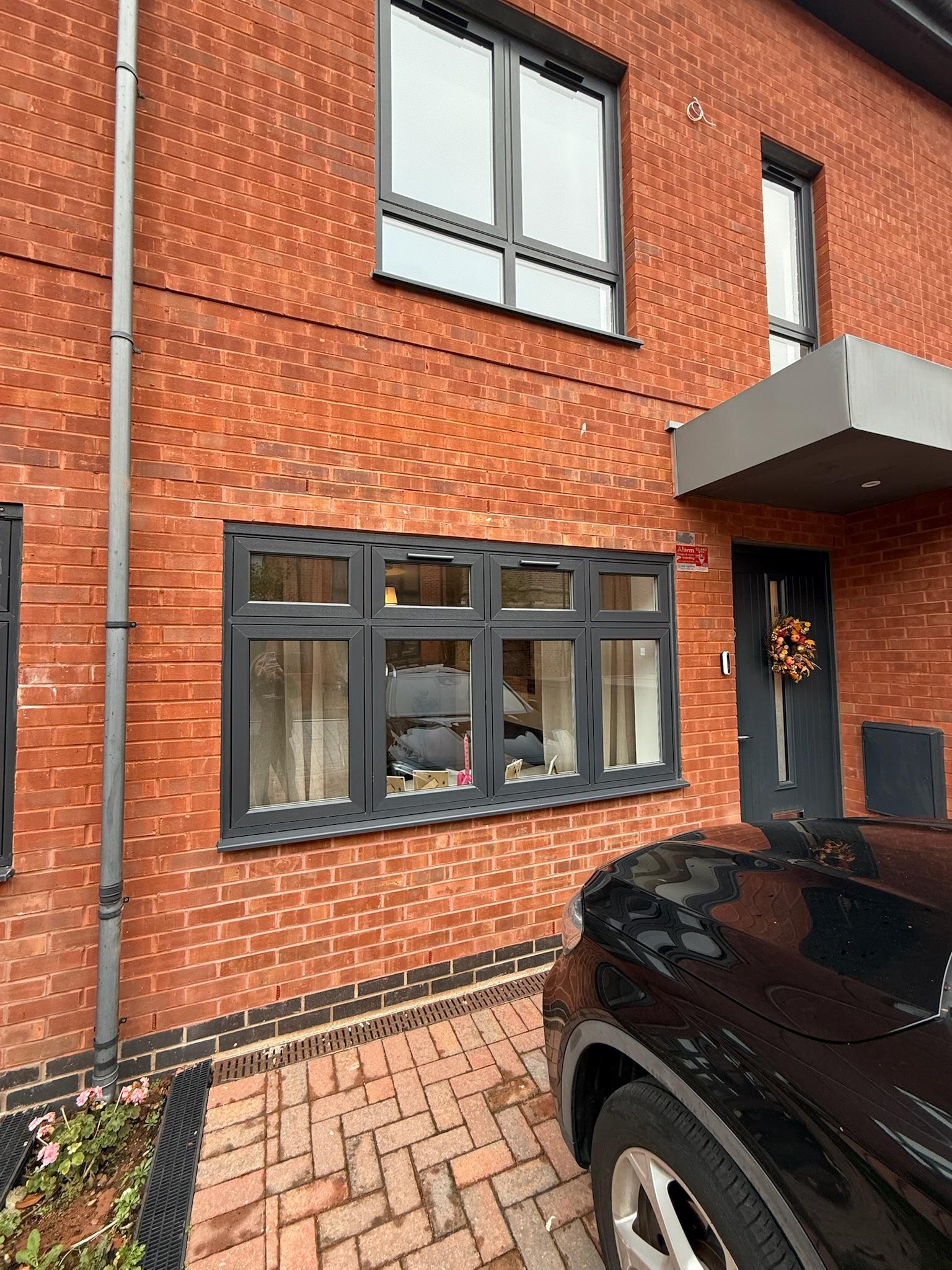
Sometimes, and this is usually the most realistic area of friction on a garage conversion specifically. Removing a garage door and adding a window in its place, or adding a new window elsewhere on the property, can raise a genuine privacy or overlooking objection if that window would look directly into a neighbour’s garden or a habitable room at close range. Planning officers weigh the distance, the angle, and whether existing screening or boundary treatment already limits the view, it isn’t automatically decisive, and options like obscured glazing can sometimes resolve a genuine concern without changing your design significantly.
Light And Overshadowing On A Standard Garage Conversion
Loss of light is a recognised material consideration, but it’s worth keeping in proportion. Since a garage conversion works within an existing structure rather than adding height or a significantly larger footprint, it rarely creates the kind of overshadowing that a two storey extension might. It’s not impossible, particularly on a very close boundary, but it’s genuinely one of the less common objections we see raised against a straightforward conversion.
Shared Walls And When Party Wall Considerations Arise
If your garage shares a structural wall with next door, a separate legal process can apply, and it’s worth understanding it’s a different thing entirely from a planning objection. It’s about formally notifying a neighbour before certain structural work begins, not giving them a veto over your project. We’ve covered this fully in our guide on whether you need a Party Wall Agreement for a garage conversion, which is worth reading properly if your garage sits close to a shared boundary.
Access Onto Neighbouring Land
This comes up more than people expect, particularly where a garage sits close to the boundary and scaffolding or access equipment would need to sit on next door’s land, even briefly. Worth knowing plainly, there’s no automatic right to step onto a neighbour’s property for building work. The Access to Neighbouring Land Act 1992 exists to help in genuine access disputes, but it’s specifically aimed at essential preservation and repair work, not improvements like a garage conversion, so it generally can’t be relied on here. In practice, this makes a friendly, early conversation with your neighbour more important than a legal safety net, since permission is something you’ll need to negotiate directly rather than something you can fall back on if it’s refused.
Noise And Disruption During The Build, Versus Objection To The Project Itself
These are worth separating clearly. A neighbour genuinely can’t object to a lawful conversion simply because building work is noisy, disruption during construction isn’t a reason planning permission would be refused, and where permission isn’t needed at all, there’s no process for it to factor in regardless. What it can affect is the day to day relationship during the build itself, and most councils have informal expectations around reasonable working hours for residential building work, even without a formal condition attached. It’s a good habit to keep noisy stages to sensible hours regardless of what’s strictly required.
Keeping The Relationship Positive Before Work Starts
Even where there’s no formal requirement to involve a neighbour at all, a short, friendly conversation before work begins tends to prevent most friction before it starts. In our experience, the majority of neighbour tension on a project like this comes from someone feeling blindsided by scaffolding or noise appearing with no warning, rather than genuine, considered opposition to the conversion itself. A five minute heads up, roughly what’s happening and when, solves most of that on its own.
Common Misconceptions About Neighbours And Garage Conversions
A lot of homeowners assume any objection from a neighbour is enough to stop a project. It isn’t, particularly where the conversion falls under Permitted Development and there’s no formal objection process in the first place, and even where an application is required, a council must base its decision on material considerations rather than the strength of feeling behind an objection.
Another common misconception is that if planning permission isn’t needed, there’s no reason to ever mention the project to a neighbour. There’s no legal obligation to, but a heads up is usually the difference between a smooth build and a genuinely tense one.
Frequently Asked Questions
Can my neighbour stop my garage conversion?
In most cases no, particularly where the project falls under Permitted Development, since there’s no formal objection process at all. Where full planning permission is needed, a neighbour can comment, but the council must decide based on material planning considerations, not on how strongly they object.
Do I have to tell my neighbour I’m converting my garage?
There’s no legal requirement in most cases, though it’s generally worth mentioning before work starts, since most friction comes from a neighbour feeling caught off guard rather than genuine opposition.
What kind of objections actually matter during a planning application?
Material considerations such as loss of privacy through overlooking, loss of light, noise, highway safety and design in keeping with the area. Personal issues like loss of property value or a private dispute are treated as non-material and are expected to be disregarded.
Can a neighbour refuse to let us use their land for scaffolding?
Yes, and there’s no automatic right to access their property for an improvement project like a garage conversion. The Access to Neighbouring Land Act 1992 is aimed at essential repairs, not improvements, so permission needs to be negotiated directly rather than relied on legally.
Does a shared wall give my neighbour the power to stop my conversion?
No. It means specific notification requirements may apply under separate legislation, but it doesn’t give a neighbour the ability to block a lawful conversion.
Why Choose Convert Your Garage
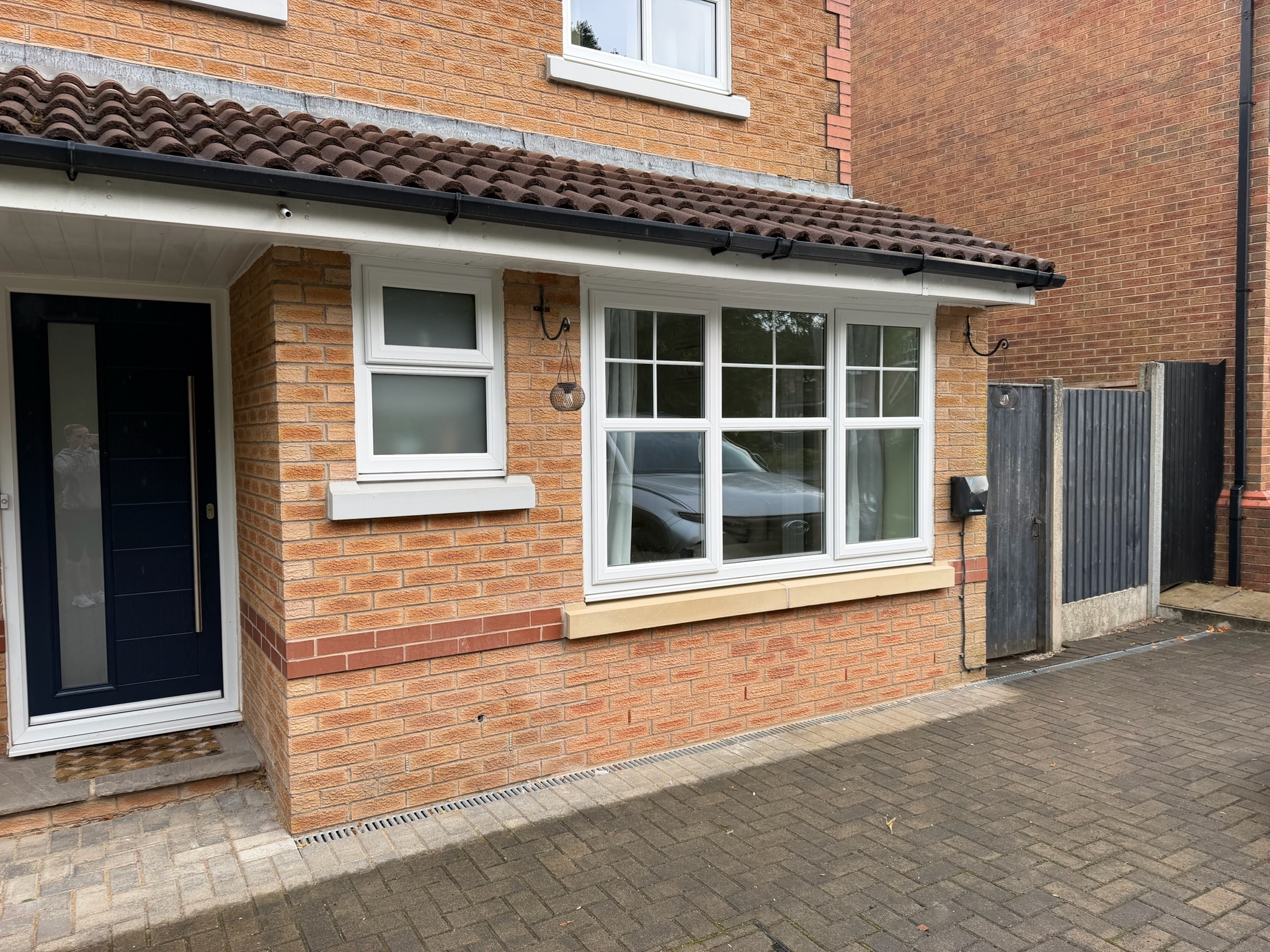
We’ve been converting garages across Greater Manchester and the North West since 2002, and we know how much smoother a project runs when neighbours are kept in the loop from the start. Every conversion we carry out is planned properly around your specific property, and we’re always happy to talk through anything you’re unsure about before work begins.
How To Contact Convert Your Garage
Convert Your Garage
Established in 2002
4,315+ completed garage conversions
33 industry awards
10 Year Warranty
If you’d like to talk through your project, we’re always happy to help, whether you’re ready to book a survey or still at the research stage.
Telephone: 0161 766 6518
Website: https://www.convertyourgarage.com
Facebook: https://www.facebook.com/convertyourgarage/?locale=en_GB
