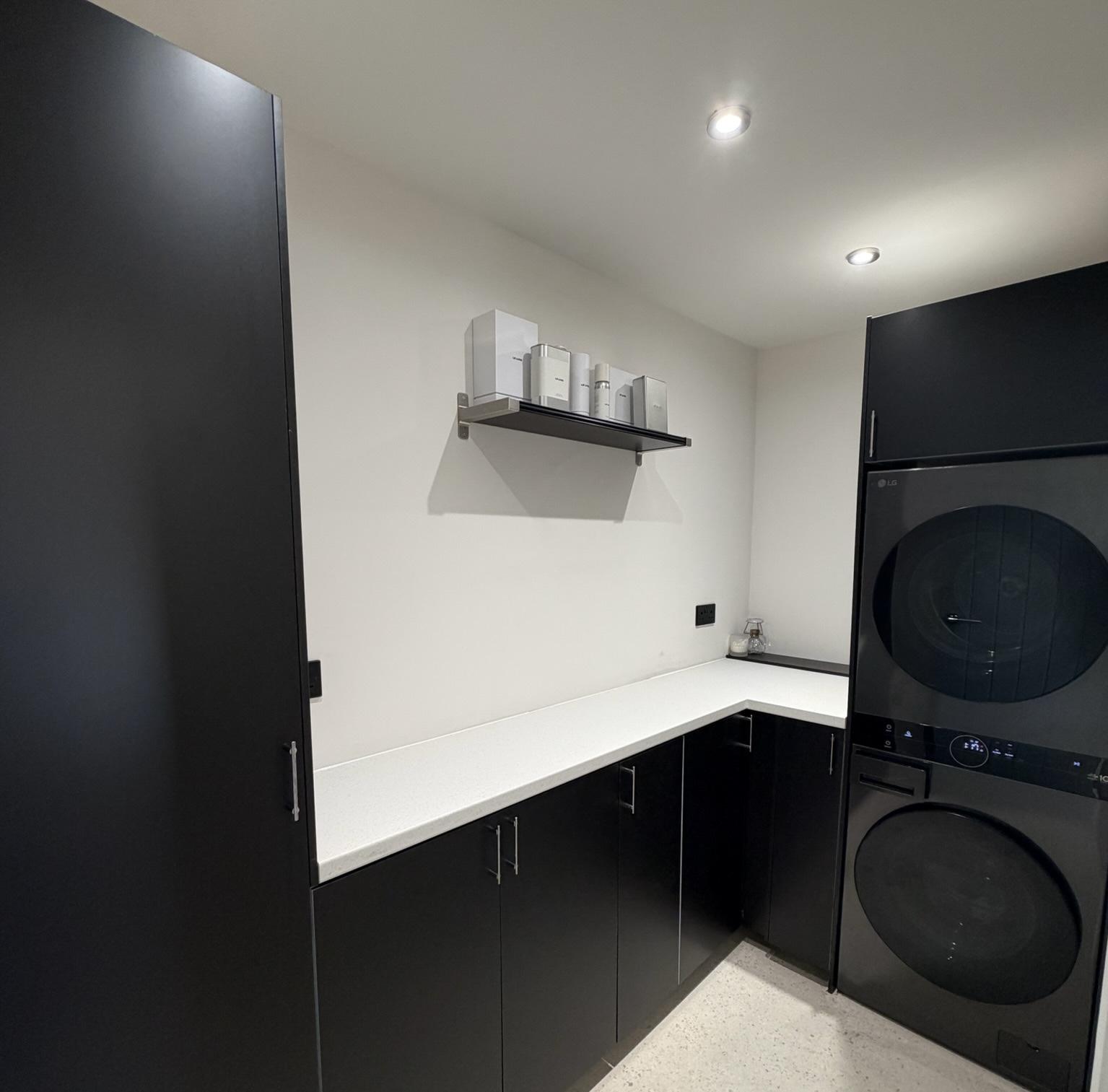
How To Heat A Garage Conversion: Heating Options Explained
One of the first questions we get once someone’s decided to convert their garage isn’t about the design, it’s about the temperature. A garage was never built to be lived in, and that shows the moment you open the door on a cold morning. The good news is that with the right approach, a converted garage heats just as well as any room in the house, sometimes better, since everything’s brought up to current standards from scratch rather than patched around an older structure.
Here’s what actually determines how warm your finished room will be, and the heating options genuinely worth considering once the room itself is built right.
Why Insulation Matters More Than Any Heater
Before we even talk about heating systems, it’s worth being clear about what makes the biggest difference to how warm a room feels, and it isn’t the heater itself. A garage’s original walls, floor and roof were never insulated to living space standard, so bringing all three up to current Building Regulations is what actually determines whether the room holds heat once it’s there.
We’ve written before about what happens if you skip Building Control on a garage conversion, and insulation is exactly the kind of thing that gets missed when corners are cut. A well insulated room with a modest heater will always outperform a poorly insulated one with an expensive system fighting a losing battle.
Underfloor Heating
Underfloor heating has become one of the most popular choices for garage conversions, and there’s a practical reason for that beyond comfort. The floor in a garage conversion usually needs to be raised and rebuilt anyway to deal with damp proofing and insulation, which means adding underfloor heating at that stage doesn’t add much extra disruption, it’s already part of the job.
It gives an even, background warmth across the whole room rather than one hot spot near a radiator, and it frees up wall space entirely, which matters in a room that’s often smaller than the rest of the house.
Radiators Connected To Your Existing System
Extending your existing central heating into the new room is often the simplest and most cost effective route, provided your boiler has the capacity to take on an extra room. This tends to work well where the garage is attached to the house and pipework can run through relatively easily.
It’s worth having this checked properly rather than assumed, since an undersized boiler trying to heat an extra room on top of the rest of the house rarely ends well for anyone’s comfort or their energy bills.
Electric Heating Options
For detached garages, or anywhere running new pipework from the main system would mean significant extra disruption, electric heating is often the more practical choice. Modern electric radiators and panel heaters are a long way from the inefficient storage heaters people sometimes picture, and they give you independent, room by room control, which suits a garage conversion being used as a self contained office or annexe particularly well.

Which Option Suits Which Room Type
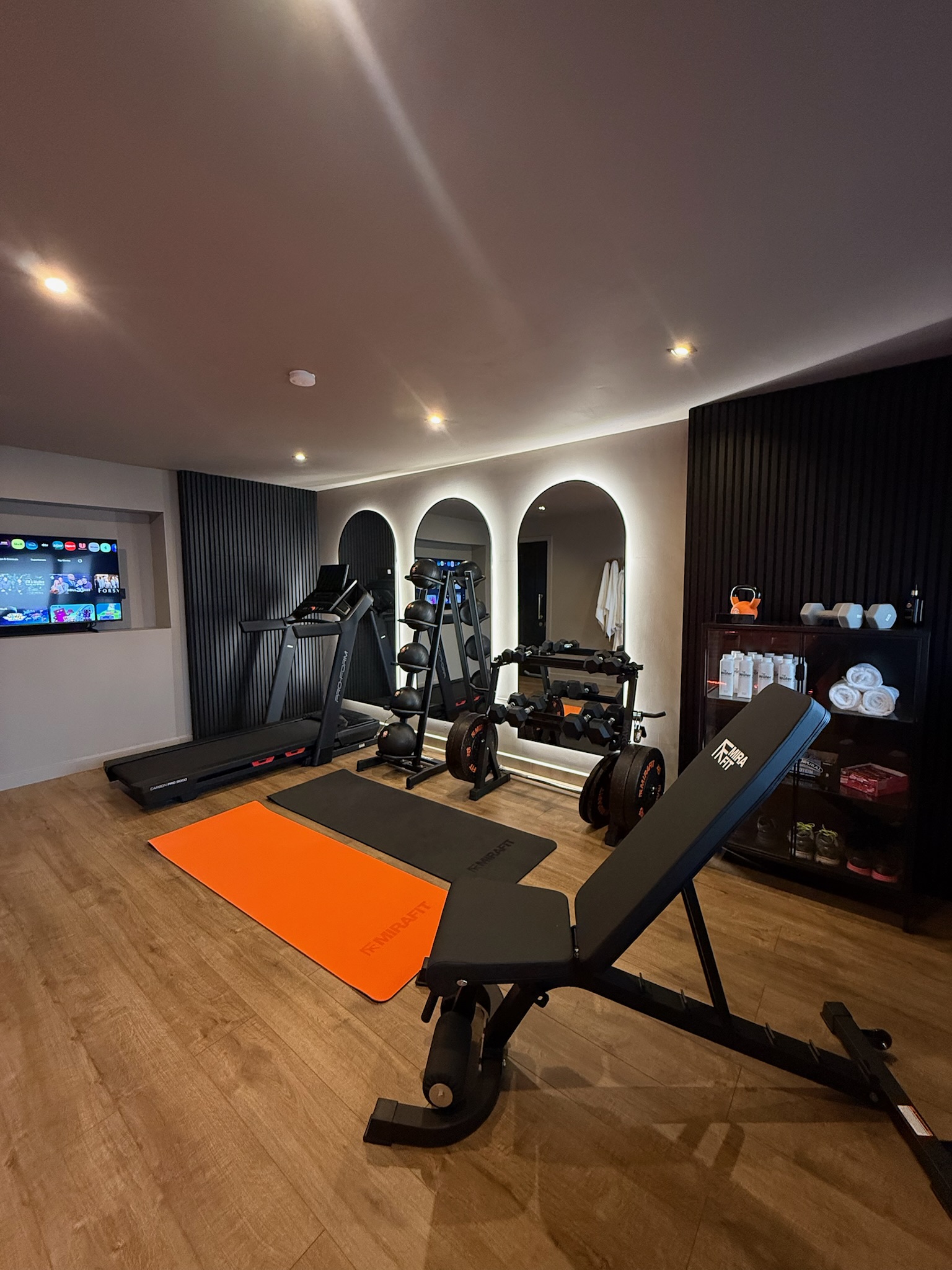
The right heating choice often comes down to what the room’s actually being used for. A home gym, for example, has different needs to a bedroom, you generally want it slightly cooler as a baseline with good ventilation, rather than the consistent warmth you’d want in a room people are sitting still in. We’ve written more about the specific considerations that go into a garage conversion home gym if that’s the direction you’re leaning.
This is exactly the kind of decision we talk through as part of our garage conversion checklist process, matching the heating approach to how the room will genuinely be used, not just what’s cheapest to install.
Don’t Forget Ventilation
A well insulated, well heated room still needs proper ventilation, otherwise you end up trading a cold room for a damp one. Trickle vents, extractor fans in any bathroom or shower room element, and simply making sure the room isn’t sealed completely airtight all matter just as much as the heating system itself, particularly in a room converted from a space that was never designed to hold warm, moist air.

Common Misconceptions About Heating A Garage Conversion
A lot of homeowners assume a converted garage will always run colder than the rest of the house, simply because it used to be a garage. With proper insulation brought up to current standards, that’s genuinely not the case, and plenty of finished conversions end up better insulated than the original part of the house.
Another common misconception is that underfloor heating always costs significantly more. Once you factor in that the floor build-up is usually happening anyway as part of the conversion, the extra cost of adding underfloor heating at that stage is often smaller than people expect.
Questions Homeowners Often Ask Next
Once people have a sense of the options, a few practical questions tend to follow.
Will heating the new room increase our energy bills significantly? A well insulated garage conversion is usually efficient to run, since the whole point of bringing it up to current Building Regulations is to stop heat escaping in the first place.
Can we use the same boiler as the rest of the house? In many cases yes, provided it has the capacity, and this is something we’ll check properly during your survey rather than assume.
What if our garage is detached from the main house? Electric heating is usually the more practical route here, giving the room independent control without the disruption of running new pipework across the garden or driveway.
Frequently Asked Questions
What’s the best heating option for a garage conversion?
It depends on how the room will be used and whether the garage is attached or detached. Underfloor heating works well for most living spaces, radiators are cost effective where pipework can extend easily, and electric heating suits detached garages best.
Will a converted garage always be colder than the rest of the house?
No, not if it’s insulated properly to current Building Regulations standards. A well insulated conversion can perform just as well as, or better than, the original part of the house.
Is underfloor heating worth the extra cost in a garage conversion?
Often yes, since the floor usually needs rebuilding anyway as part of the conversion, meaning the additional cost of adding underfloor heating at that stage is smaller than it would be as a standalone project.
Do we need to upgrade our boiler to heat a garage conversion?
Not always, but it depends on your existing boiler’s capacity. We’ll check this properly during your survey before recommending extending your current system.
Does ventilation matter as much as heating in a garage conversion?
Yes. A well insulated, well heated room still needs proper ventilation to avoid damp and condensation, particularly since garages weren’t originally designed to manage warm, moist air.
Why Choose Convert Your Garage
Heating and insulation aren’t an afterthought on our projects, they’re built into the design from the very first conversation. Since 2002 we’ve completed over 4,315 garage conversions across Greater Manchester, and every single one is insulated and heated to current Building Regulations standards as standard, not as an upgrade. Every conversion comes with a 10 year warranty, so you’re covered long after the last radiator’s fitted.
How To Contact Convert Your Garage
Convert Your Garage
Established in 2002
4,315+ completed garage conversions
33 industry awards
10 Year Warranty
If you’d like to talk through your project, we’re always happy to help, whether you’re ready to book a survey or still at the research stage.
Telephone:
0161 766 6518
Website:
https://www.convertyourgarage.com
Facebook:
https://www.facebook.com/convertyourgarage/?locale=en_GB
