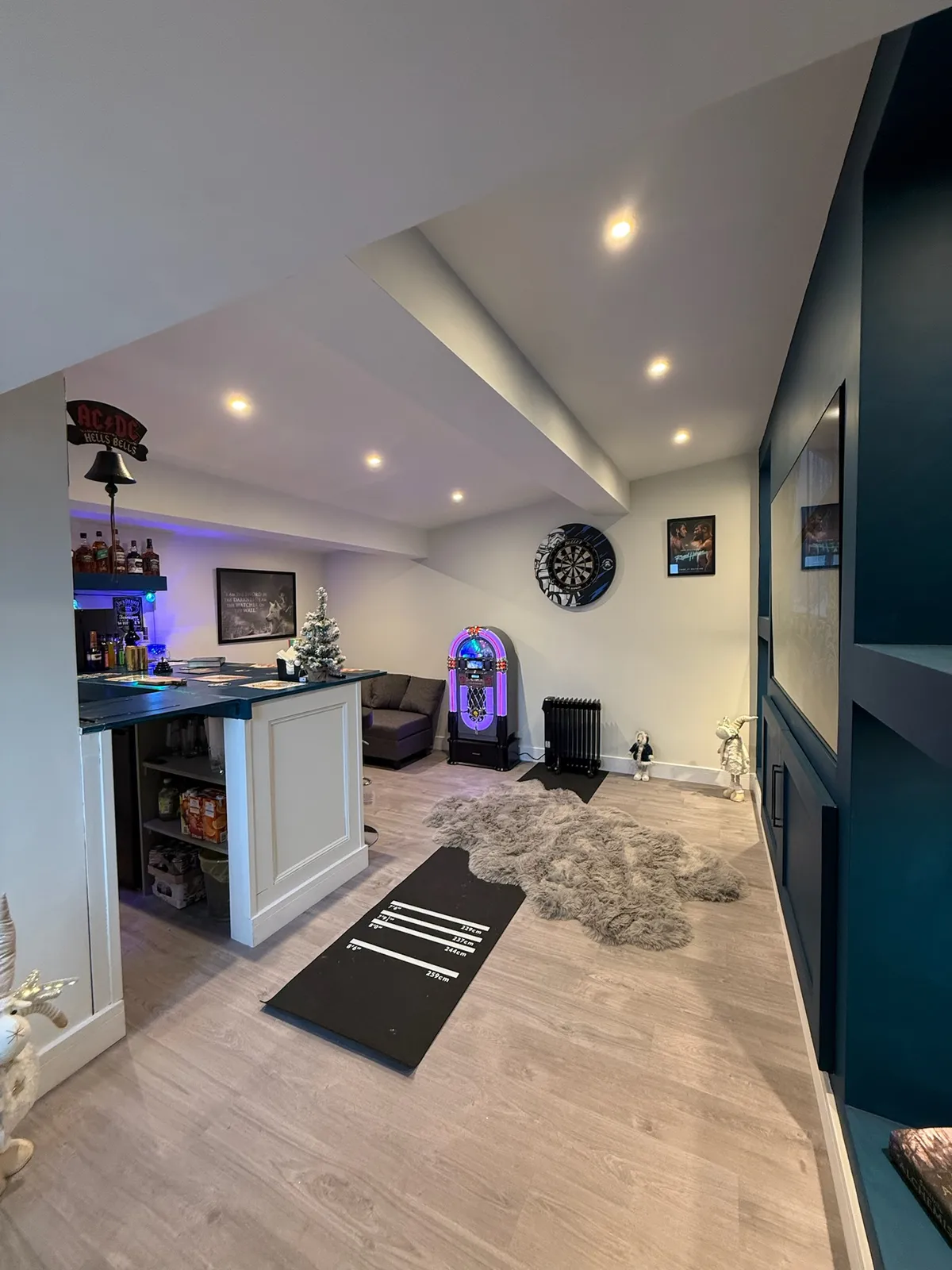
Can You Convert A Garage Into An Art Studio, Craft Room Or Hobby Space?
Painters, potters, sewers and model makers share a problem: the work never stays tidy. A garage solves it. It’s separate from the house, forgiving of mess and often has room for the big table or the kiln you’d never fit in a spare bedroom. It also has dark corners, a cold slab and poor ventilation, none of which help a creative space. A garage can become an art studio, craft room or hobby space, and what makes it work is light, floors, ventilation and storage planned for the way you actually make things.
Why A Garage Works For Creative Work
A garage gives you floor space, separation and a surface that can take spills, which is more than most rooms in a house offer. You can leave a project set up overnight instead of clearing the dining table, and noise or mess stays out of the living areas. What a garage doesn’t give you is light, warmth or air quality, so the conversion is about adding those without losing the practicality.
Natural Light For A Studio
Light is usually the first thing artists ask for. North facing light is widely preferred for painting and drawing because it stays steady through the day, and a rooflight or a north facing window can provide it. Direct sun brings glare and fades materials, so blinds are useful. A garage rarely has much wall glazing, so rooflights are often the best route. Our guide to garage conversion windows and natural light covers windows, rooflights and glazed doors.
Artificial Lighting For Detailed Work
Daylight fades, so good artificial light matters as much. A mix of general ceiling light and adjustable task lighting at the bench or easel works better than one central fitting. Lighting that shows colours accurately helps painters, textile makers and photographers, so mention what you make when the lighting is planned.
Floors That Can Take The Mess
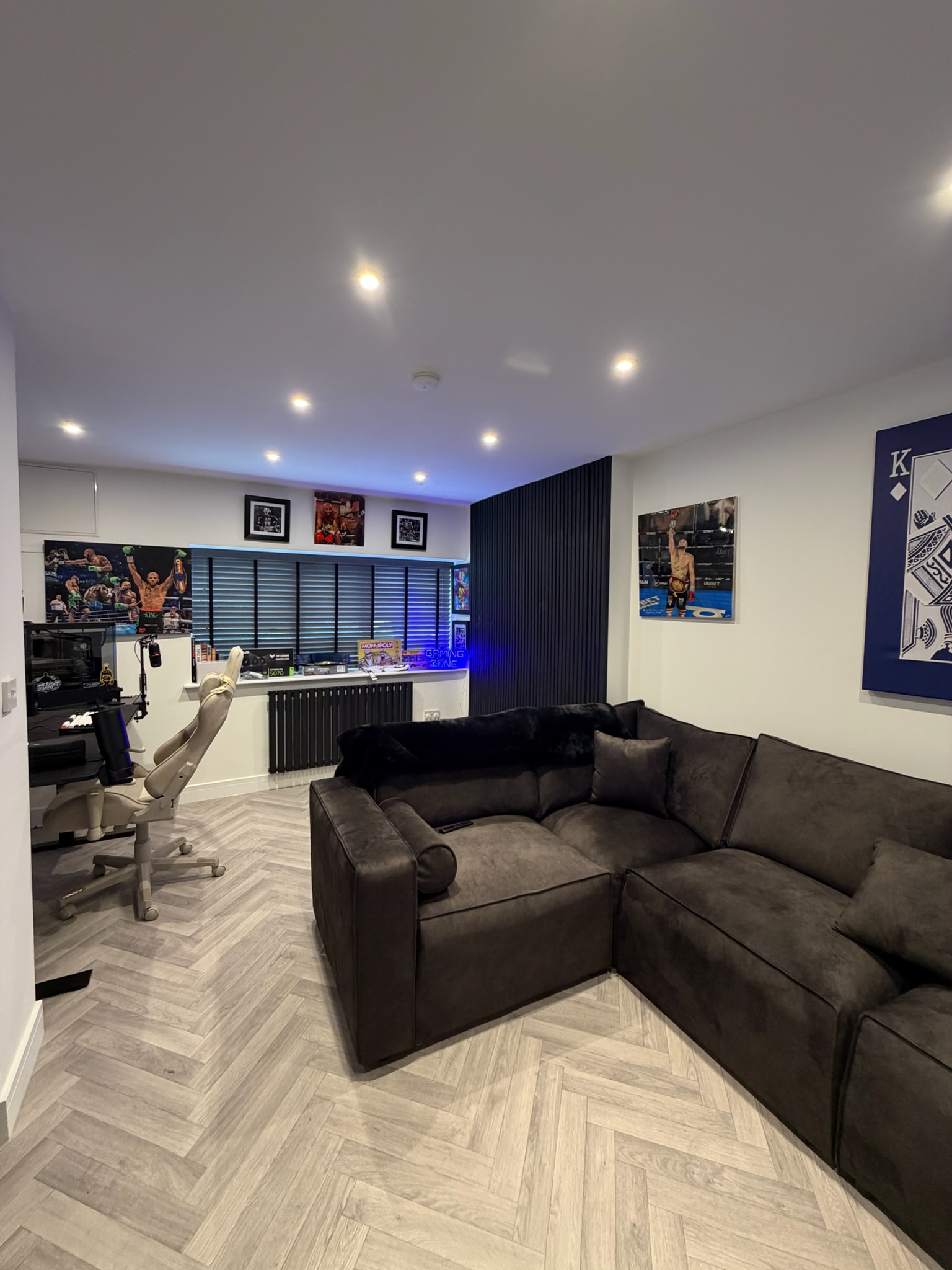
A creative room needs a floor you can scrub, scrape and drop things on. Hard wearing, easy clean finishes such as vinyl or tiles suit most studios, while carpet holds paint, glue and dust. Underfloor heating works under many hard floors, and the floor build up takes some height, which is worth knowing early. A rug or removable covering protects the floor under an easel or workbench.
Ventilation, Fumes And Dust
This is the part not to skimp on. Oil paints, solvents, aerosols, resins and glues give off fumes, and sanding, sawing or clay produce dust. A sealed, insulated room traps them, so it needs planned fresh air and, for heavier work, extraction. Follow the safety information on the products you use, and ask about specialist advice for kilns, spray work, welding or large solvent use. We’d never treat ventilation as an afterthought, particularly as the room becomes better sealed.
Heating, Damp And Stable Conditions
Paper, canvas, fabric and clay all behave better in steady temperature and humidity than in a cold, damp room. That makes insulation, damp proofing and heating part of the creative brief, not just comfort. Our guides on how to stop damp in a garage conversion and how to heat a garage conversion explain what keeps a room dry and warm.
Power, Water And Benches
Studios tend to need more sockets at bench height, sometimes dedicated circuits for heavy equipment such as a kiln, and often a sink. New circuits are generally notifiable under Part P of the Building Regulations, so the electrical work needs a registered electrician. A sink with a suitable waste is easier to plan before the floor goes down, and clay or plaster can block drains, so a trap or settling bucket is sensible.
Storage, Zones And Messy Work
Think in zones: a clean area for drawing or sewing, a messy area for paint or clay, and storage between them. Vertical storage, shelving above benches and flat storage for paper keep floor space free. You can also keep part of the garage for the messiest jobs. Many of our conversions keep a section at the front for storage, as our guide on converting half a garage and keeping storage explains, and that can suit a workshop corner or a place to store materials.
Planning The Layout Around How You Work
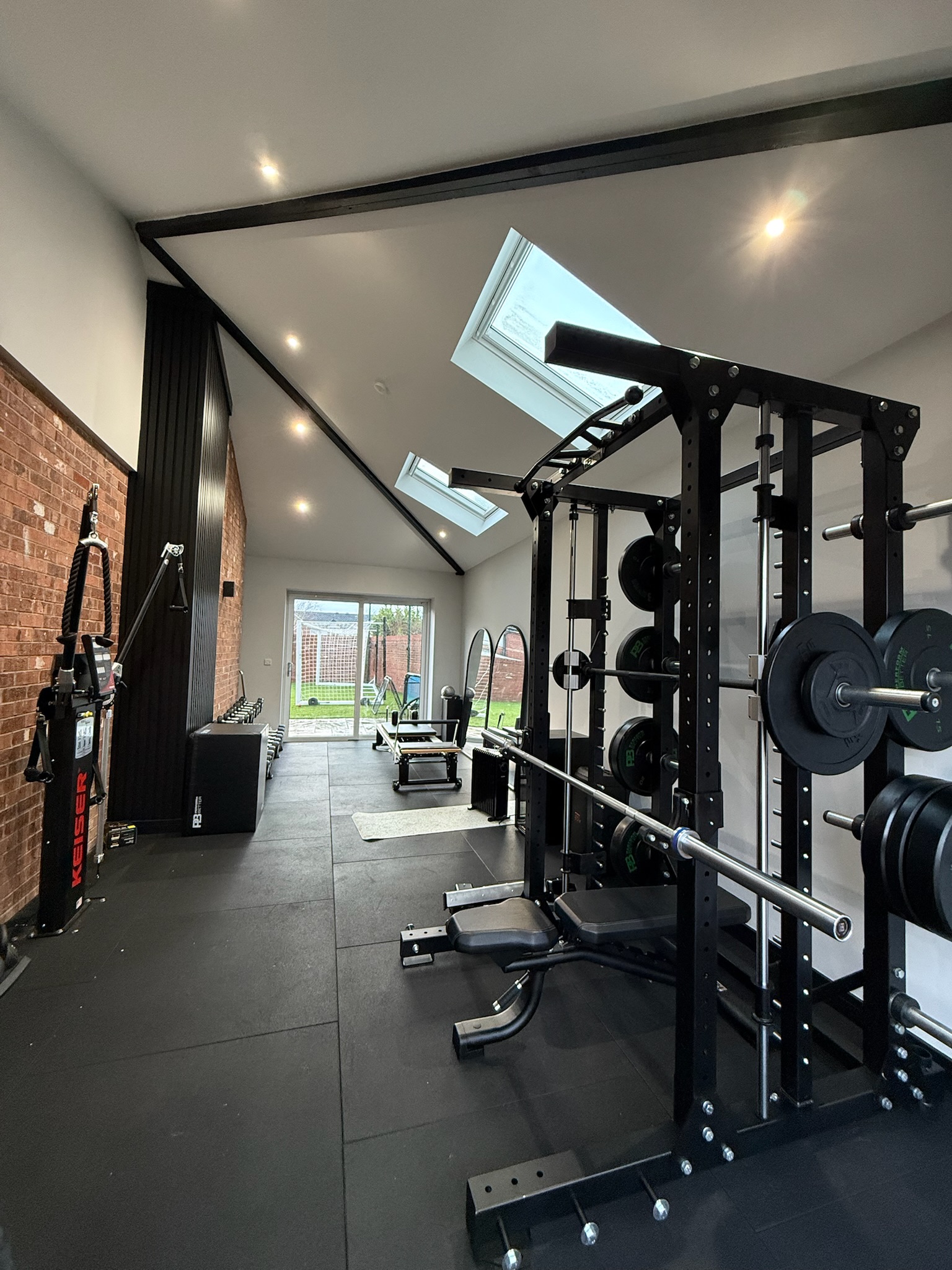
Start with where you stand and where the light falls. The main bench or easel usually sits where the best light reaches, with the messy zone away from the door into the house and storage within easy reach. In a long, narrow garage, a clear central route and benches along one wall work better than furniture on both sides, which our guide to making a narrow garage conversion work explains. Leave room for a large table if you cut fabric, frame pictures or spread out projects.
Noise And Neighbours
Power tools, sewing machines, music and kilns all make noise, and a garage can carry it further than you’d expect, particularly through the old door opening. Solid walls and a well sealed new front help, and a detached garage keeps noise away from the house. It’s worth thinking about your neighbours too, especially if you work at unusual hours.
Attached Or Detached?
A detached garage is often easier for fumes, noise and dust because it’s away from the house. An attached garage is closer to services and easier to heat. Under our guidance, an attached garage with an internal door into the house goes through Building Control, while a detached garage converted for a non sleeping use such as a studio does not, though the use of the room matters and we confirm the position for each property.
Selling Your Work Or Having Visitors
Using a room at home for hobbies is normal, but selling from it or having clients visit can change things. GOV.UK guidance says working from home doesn’t normally need planning permission where it stays incidental to the home, but that regular visitors, staff, deliveries or noise can change the character of the use. If that’s likely, speak to your local planning authority first. We don’t give advice on tax, insurance or business rates.
Frequently Asked Questions
Can I convert my garage into an art studio?
Yes. A garage can become an art studio, craft room or hobby space, provided light, floors, ventilation, heating and storage are planned for the work you do.
What’s the best light for a garage art studio?
Steady north facing light is widely preferred, and rooflights are often the easiest way to get it. Good task lighting covers evenings.
What flooring is best for a craft room or studio?
A hard wearing, easy clean floor such as vinyl or tiles suits most creative work, because carpet holds paint, glue and dust.
Do I need extra ventilation for paints and solvents?
Often yes. A sealed, insulated room traps fumes and dust, so fresh air and, for heavier work, extraction should be planned from the start.
Can I put a kiln in a converted garage?
It needs specialist advice on ventilation, electrics and safe distances. Mention it at the start so the room is planned around it.
Do I need planning permission for a garage studio?
Not normally for hobby use, as most conversions are permitted development, but regular visitors, staff or deliveries can change the position, so check with your council.
Why Choose Convert Your Garage
Convert Your Garage is a family run company, founded by Jim Allsop in 2002, and we’ve completed over 4,400 garage conversions across Greater Manchester and the North West. We’ll talk through light, floors, power and ventilation for the way you work. We offer free, no obligation surveys and quotations, and every conversion comes with a 10 year warranty.
How To Contact Convert Your Garage
Convert Your Garage
Established in 2002
4,400+ completed garage conversions
30+ industry awards
10 Year Warranty
If you’d like to talk through your project, we’re always happy to help, whether you’re ready to book a free survey or still at the research stage.
Telephone: 0161 766 6518
Website: https://www.convertyourgarage.com
Facebook: https://www.facebook.com/convertyourgarage/?locale=en_GB
