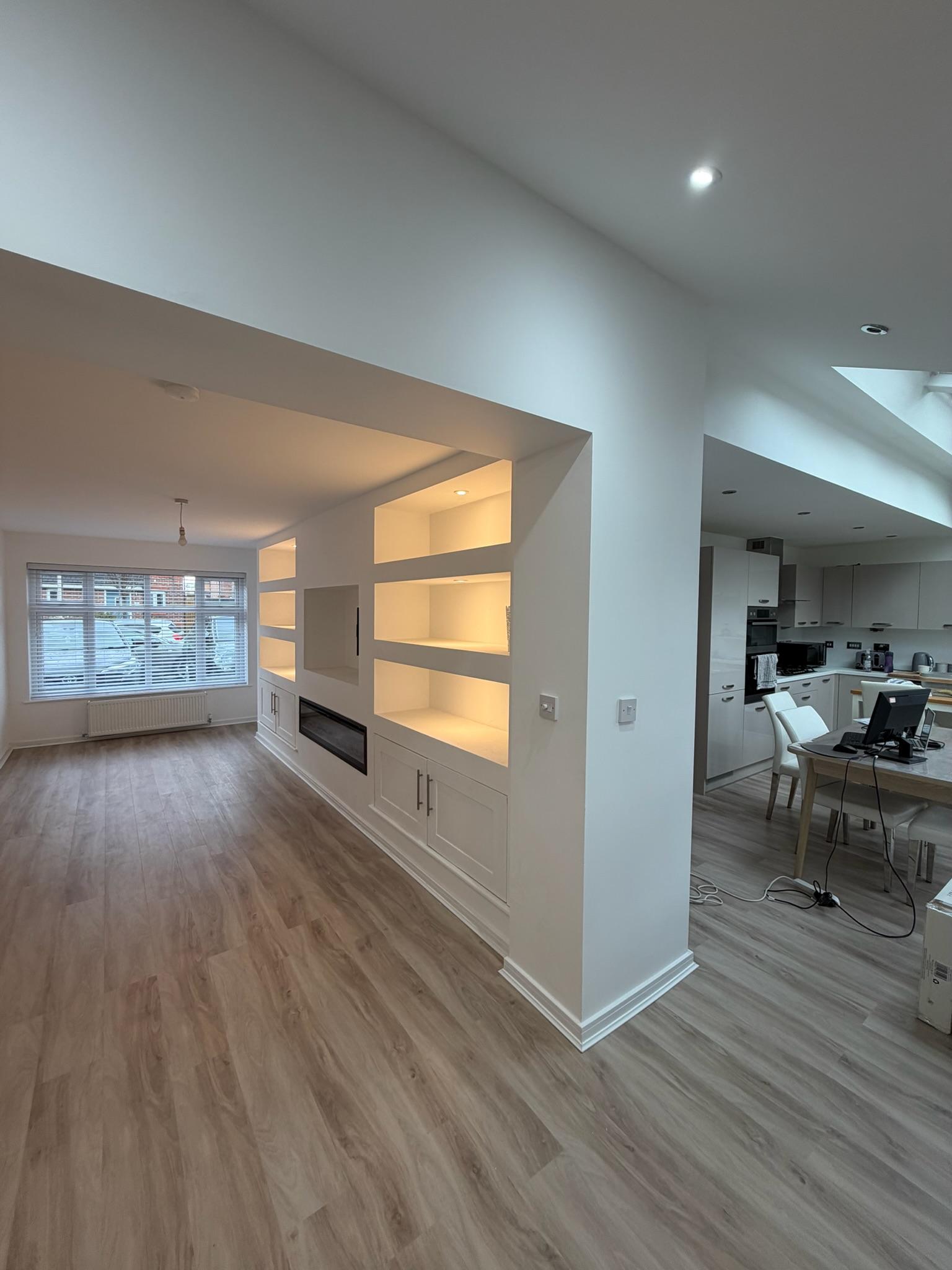
How Do You Stop Damp In A Garage Conversion?
Damp is one of the most common worries homeowners raise once they start seriously planning a garage conversion, and for good reason. A garage was never built to the same standard as the rest of the house, and getting damp control right from the start makes the difference between a room that stays comfortable for decades and one that causes problems within the first year or two. Here’s what actually needs addressing, and why.
Why Garages Are More Prone To Damp Than The Rest Of The House
Most garages are built directly onto a concrete slab without the damp proof membrane a habitable room would have, sit at a slightly lower ground level than the rest of the house, and often have thinner, single skin walls rather than the cavity construction used elsewhere. None of this matters much when the space is only being used to store a car, but it becomes a genuine problem the moment the room is insulated, heated and lived in.
Starting With The Floor: Damp Proof Membrane
The floor is usually the first thing that needs addressing. A proper damp proof membrane is laid across the existing slab, with insulation and a new screed floor built up on top. This is one of the areas Building Regulations specifically cover, since a floor that isn’t properly damp proofed can undermine the insulation and heating performance of the whole room, however well the walls and roof have been treated.

Treating The Walls
Depending on the construction of your garage, wall treatment can involve a chemical damp proof course injection where rising damp is present, tanking or render systems for persistent damp, and insulation brought up to current standards either way. Older single skin block garages generally need more extensive wall treatment than a garage built with cavity construction, so this is very much a case by case assessment rather than a single standard approach.
This is exactly the kind of assessment we carry out at survey stage, checking the actual construction of your specific garage rather than applying a generic solution, since a single skin block wall and a cavity built wall genuinely need different approaches to get right.
Managing Condensation, Not Just Rising Damp
It’s worth separating condensation from rising or penetrating damp, since they’re different problems with different solutions. Condensation happens when warm, moist air meets a colder surface, and it becomes more likely, not less, once a room is insulated and heated, if ventilation hasn’t been properly planned alongside it. This is one of the reasons damp proofing and heating need to be thought through together rather than as separate decisions. Our guide on heating a garage conversion covers this side of the process in more detail.
Ventilation Matters As Much As Damp Proofing Itself
A well insulated, well damp proofed room still needs proper ventilation, otherwise moisture generated inside the room, from cooking, breathing, or simply daily use, has nowhere to go. Trickle vents, extractor fans in any bathroom element, and avoiding a completely sealed, airtight room all matter just as much as the damp proof membrane and wall treatment themselves.
This is one of the practical stages we walk through as part of our garage conversion checklist, since ventilation is easy to overlook when the focus is naturally on the more visible parts of the room like flooring and finishes.

What Happens If Damp Isn’t Dealt With Properly
Skipping proper damp treatment doesn’t just risk a damp smell or the odd patch of mould. It can undermine the insulation’s performance, damage flooring and finishes from underneath, and cause genuine problems with Building Regulations sign off, since damp proofing is assessed as part of that process. We’ve written more about what happens if Building Control is skipped on a garage conversion, and inadequate damp proofing is exactly the kind of issue that surfaces later, often once it’s expensive and disruptive to put right.
It’s also worth saying that this isn’t a stage worth trying to shortcut to save money. The cost of doing it properly the first time is genuinely small compared with the cost of stripping out a finished floor or wall to fix a damp problem that a proper survey would have identified and addressed from the outset.
Common Misconceptions About Damp In Garage Conversions
A lot of homeowners assume that if there’s no visible damp in the garage right now, it won’t be a problem once converted. In reality, adding heating and insulation without proper damp proofing can create condensation problems that simply weren’t there before, since the conditions inside the room change completely.
Another common misconception is that damp proofing is only relevant for older garages. Even a newer garage was still built to a lower standard than a habitable room, so proper treatment matters regardless of the age of the structure.
Questions Homeowners Often Ask Next
A few practical questions tend to follow once people understand what’s involved.
How do we know if our garage already has a damp problem? A proper survey will identify this, checking the floor, walls and any visible signs, before any work is planned. It’s not something we’d want to guess at.
Does adding insulation alone stop damp, or do we need a separate membrane too? Insulation and damp proofing are related but different jobs. Insulation without a proper damp proof membrane underneath can trap moisture rather than solve the problem.
Will damp treatment delay the start of our conversion? It’s factored into the standard timeline for most conversions rather than treated as an unexpected extra stage, since it’s part of bringing the floor and walls up to current standards regardless.

Frequently Asked Questions
Why are garages more prone to damp than the rest of the house?
Most garages are built directly onto a concrete slab without a damp proof membrane, sit at a lower ground level, and often have thinner walls than the rest of the house, none of which matters for storage but becomes significant once the room is lived in.
Do all garage conversions need a damp proof membrane?
In most cases yes, since the existing floor wasn’t built to habitable room standards. This is assessed properly during a survey rather than assumed.
Is condensation the same problem as rising damp?
No. Condensation happens when warm, moist air meets a cold surface, and it’s addressed primarily through insulation and ventilation, while rising damp is addressed through the damp proof course and membrane.
What happens if damp proofing isn’t done properly?
It can undermine insulation performance, damage flooring and finishes, and cause issues with Building Regulations sign off, since damp proofing is assessed as part of that process.
Does adding insulation to a garage conversion increase the risk of condensation?
It can, if ventilation isn’t planned alongside it. Insulation and heating change the conditions inside the room, which is why damp proofing, insulation and ventilation need to be considered together rather than separately.
Why Choose Convert Your Garage
Damp proofing isn’t an optional extra on our conversions, it’s built into every project as standard, assessed properly at survey stage rather than assumed. Since 2002 we’ve completed over 4,400 garage conversions across Greater Manchester, bringing floors and walls up to current Building Regulations standards on every single one. Every conversion comes with a 10 year warranty.
How To Contact Convert Your Garage
Convert Your Garage
Established in 2002
4,400+ completed garage conversions
33 industry awards
10 Year Warranty
If you’d like to talk through your project, we’re always happy to help, whether you’re ready to book a survey or still at the research stage.
Telephone:
0161 766 6518
Website:
https://www.convertyourgarage.com
Facebook:
https://www.facebook.com/convertyourgarage/?locale=en_GB
