Where Will Everything In Your Garage Go During And After A Conversion?
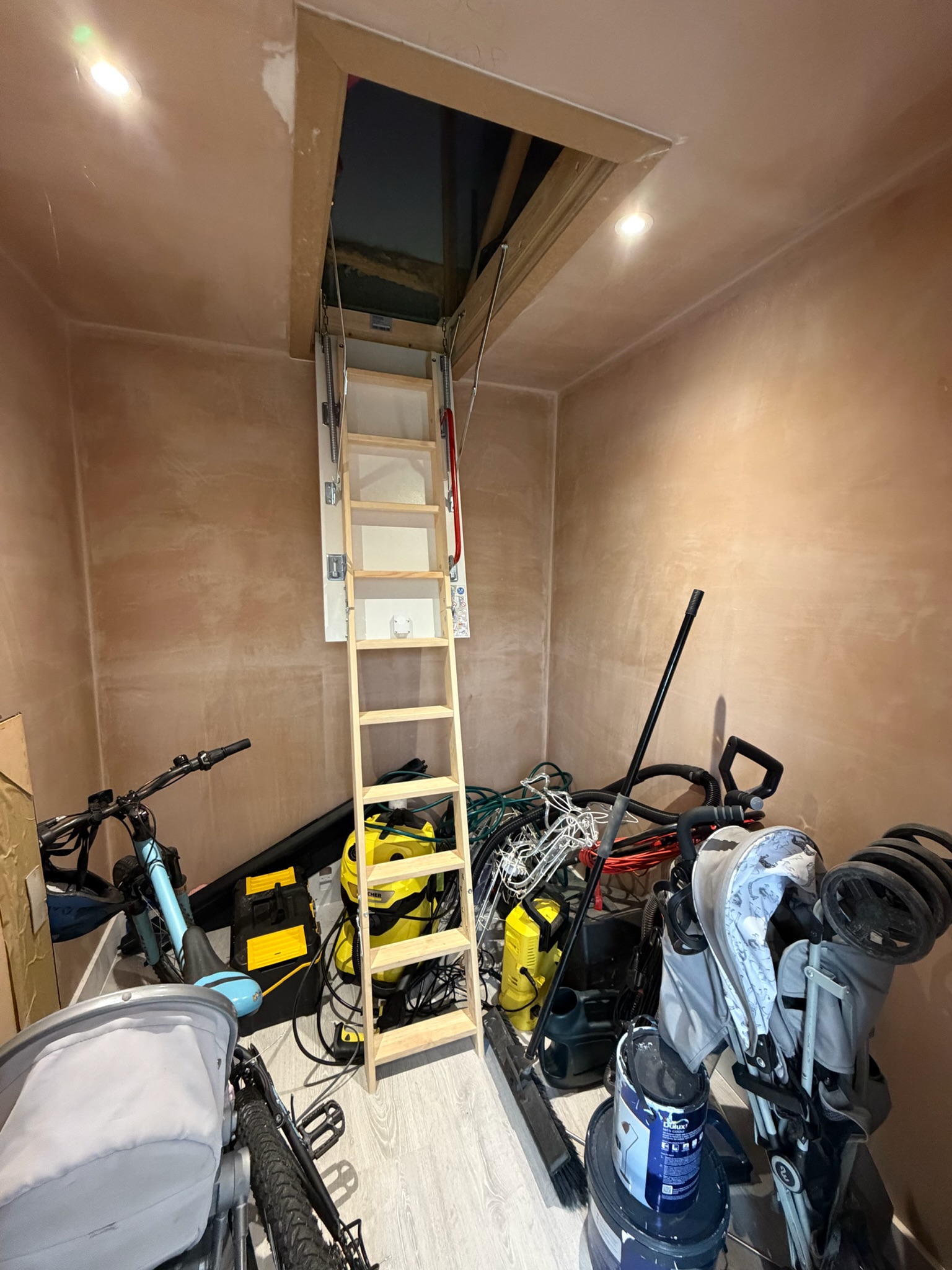
Ask homeowners what worries them most about converting a garage and, more often than the cost or the planning, the answer is some version of the same question: where is everything going to go? It’s a fair worry. A garage quietly collects bikes, paint, tools, camping gear, the lawnmower and several years of “we’ll sort that later”. Here’s how to plan for all of it before the work starts, rather than trying to solve it afterwards.
Why Storage Is Often The Biggest Concern
Most garages stopped being car parks a long time ago. They’ve become the household’s overflow cupboard, workshop and bike shed all in one, so converting one means finding a new home for everything that lives there, not just creating a new room. It’s a planning problem, not a reason to abandon the idea, and the sooner you plan it, the easier it gets.
Start With An Honest Audit Of What’s In There
Before deciding where anything goes, find out what you actually have. Set aside an afternoon and sort everything into four piles: things you use regularly, things you use seasonally, things you’re keeping but rarely touch, and things that can go. Most people are surprised how much lands in the last two.
Measure the bulky items too, such as bikes, a lawnmower or a chest freezer, because their size usually decides what replacement storage you need far more than the number of boxes does. Note anything fixed to the walls or floor, like racking or a workbench, so it can be planned into the work.
Deciding What Genuinely Needs Keeping
This is the honest part. For each item, ask whether you’d buy it again today and whether you’d miss it if it disappeared. Things with real value or sentimental weight deserve proper storage. Duplicates, broken equipment, half used tins of paint and boxes nobody has opened since the last house move rarely do. Selling, donating or recycling what you no longer need shrinks the storage problem before you’ve spent a penny solving it.
Clearing The Garage Before Work Begins
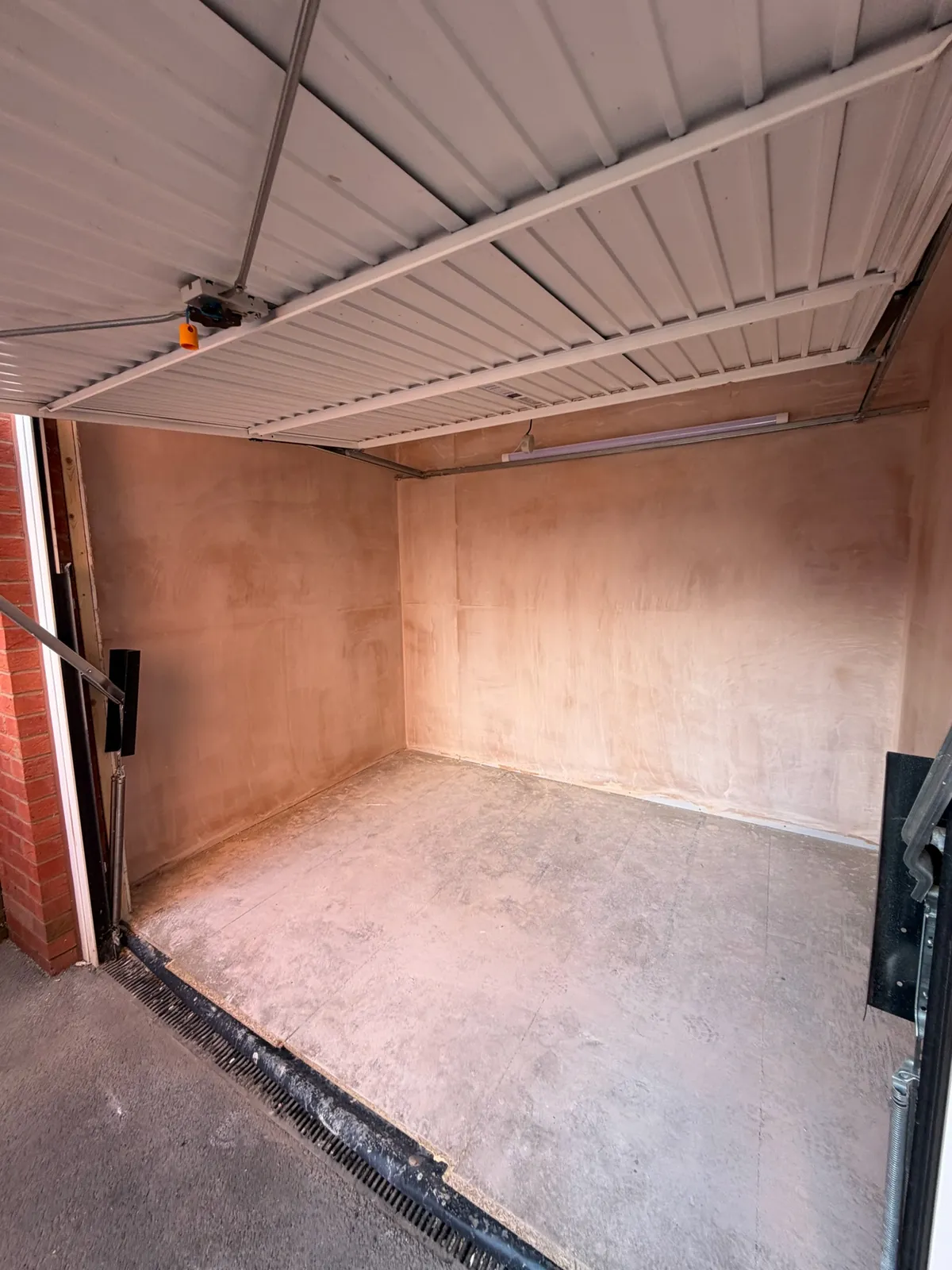
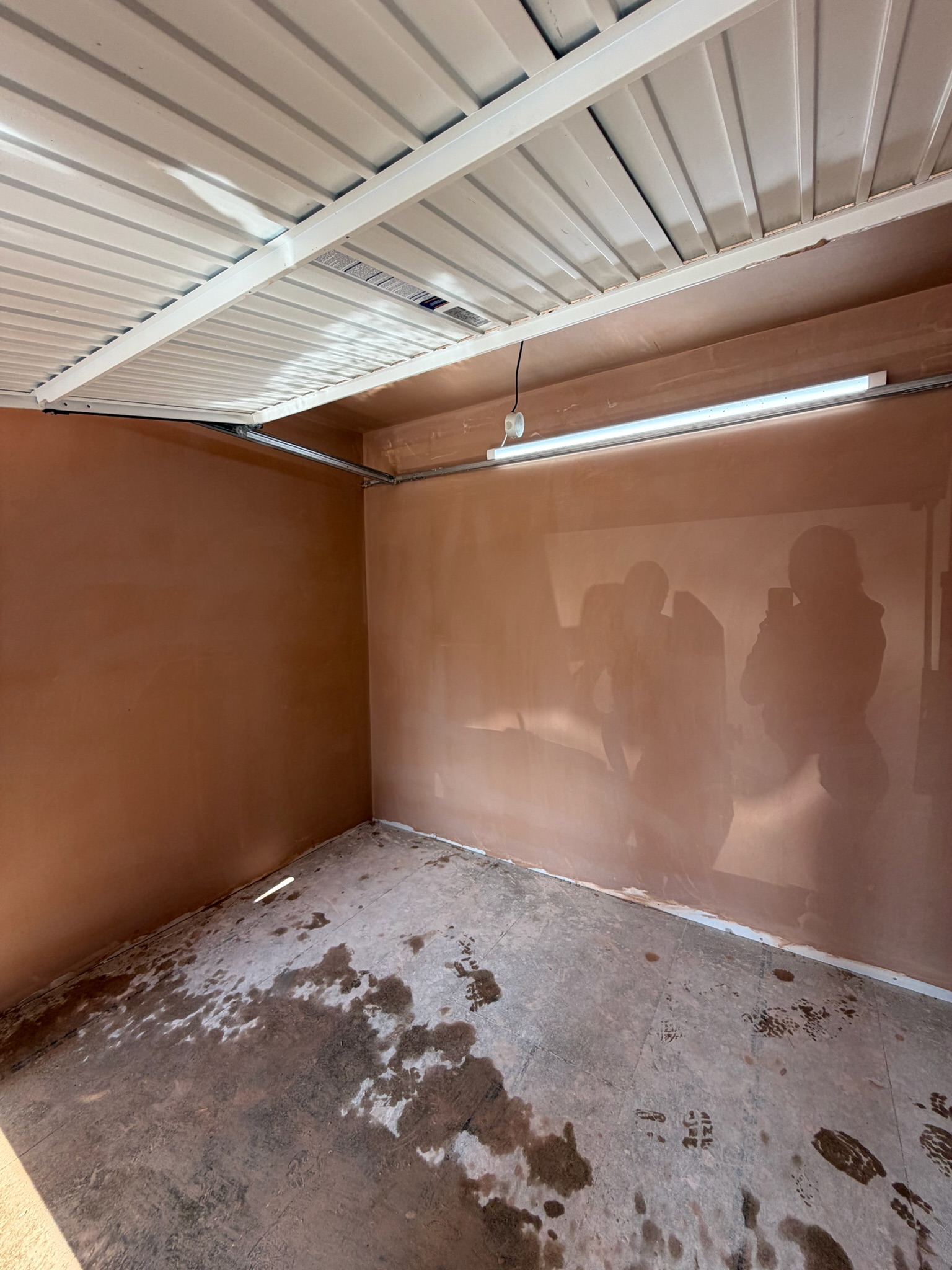
The part of the garage being converted needs to be empty before the team can start, so build the clear out into your timeline rather than leaving it to the weekend before. If you’re planning a partial conversion, we’ll agree with you exactly which section stays in use and which is cleared.
Temporary Storage While The Work Is Underway
A standard single garage conversion typically takes around 5 to 7 working days, and a standard double garage conversion around 10, although this depends on the project and what’s involved. For many households the temporary storage need is therefore short, but it still needs somewhere to go.
Common options include a spare room, a relative’s garage or loft, a self storage unit, or a portable storage container if you have room on your own property.
What Shouldn’t Go In The General Waste Bin
Garages hold more hazardous items than most people realise. Paint, solvents and other chemicals, engine oil, gas cylinders and batteries, including car batteries, generally shouldn’t go in your household bin or a skip. What your council accepts at its household waste recycling centre varies, so check your local council’s guidance before you load the car. Gas cylinders are usually best returned to the supplier or retailer, and liquid paint is treated differently from dried out empty tins, which is another reason to check locally.
One more thing worth saying plainly. If you find old sheet roofing or panels that might contain asbestos, don’t move or break them up. Read our guide on converting a garage with an asbestos roof before doing anything.
Where Bikes, Tools, Garden Equipment And Seasonal Items Will Go
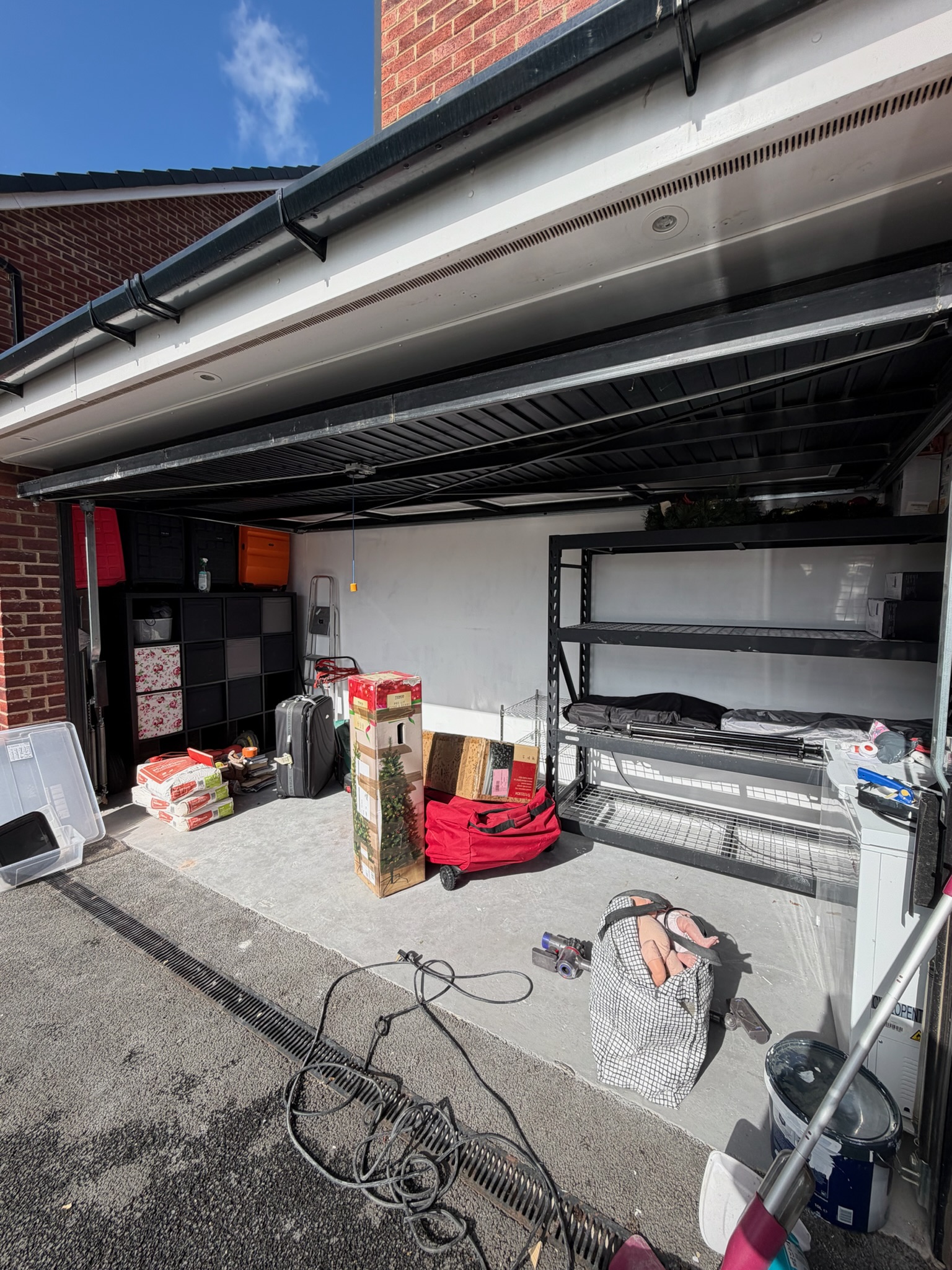
Think about how often you reach for each thing and how bulky it is. Daily items such as bikes, scooters and bins need easy access, ideally near the front or side of the house. Garden equipment is usually most at home in a shed. Seasonal items like Christmas decorations and camping gear can live in a loft, on a high shelf in a utility area, or in self storage, since you only need them a few times a year.
A shed is often the simplest replacement, and in many cases outbuildings don’t need planning permission, but there are limits. They generally can’t sit in front of the front wall of the original house, there are height limits that are lower within two metres of a boundary, and outbuildings and extensions together mustn’t cover more than half the land around the original house. Listed buildings, conservation areas and properties with planning conditions can be different, so check before you buy.
Keeping Storage At The Front Of The Garage
If you’d rather not lose all your storage, a partial conversion lets you convert the main part of the garage into a new room while keeping a section behind the original door for bikes, tools and garden equipment. In Hyde, for example, we converted a single garage into a home office and snug while retaining practical storage at the front.
It’s a popular compromise, though the new room is smaller and the two areas need to be separated properly. Our guide on converting half a garage and keeping storage explains how it works in more detail.
Using Roof Space For Storage
Where a garage has a pitched roof, the space above a flat ceiling can sometimes be used for light storage, but it isn’t automatic. Access, the strength of the structure, the insulation that has to sit there and the headroom available all matter, and you shouldn’t assume heavy items will be fine up there.
If your roof is suitable, there’s also a design choice between a flat ceiling with storage above and opening the roof up for a taller, airier room, which we explore in our guide on creating a vaulted ceiling in a garage conversion.
Fitted Storage Inside The Finished Room
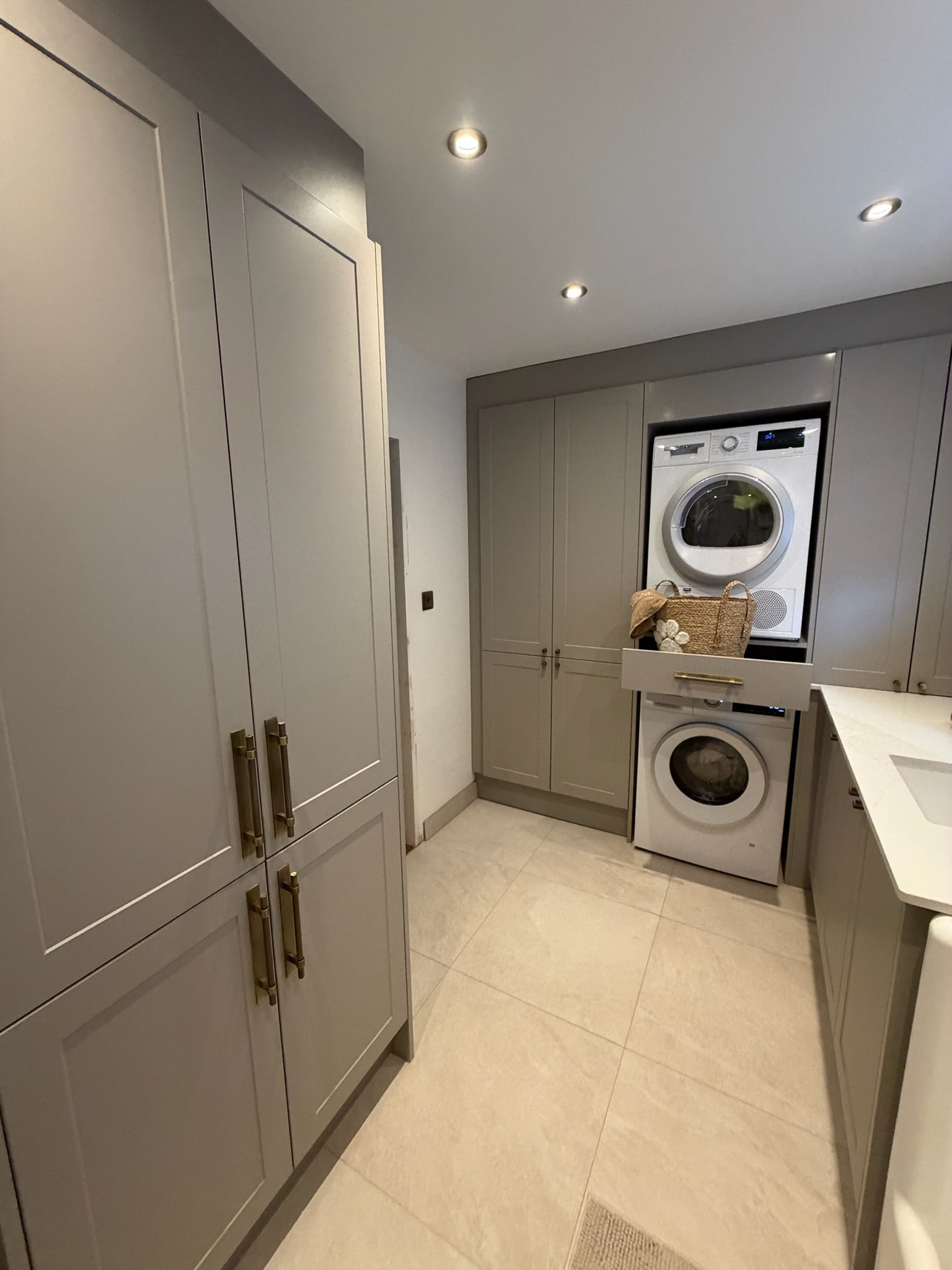
Often the best answer is built into the room itself, and the right solution depends on what the room is for. A bedroom benefits from wardrobes along one wall, a home office from shelving and filing, a playroom from low toy storage children can reach, a gym from wall mounted racks, and a utility space from cupboards and worktop.
Long, narrow garages in particular reward built in storage over freestanding furniture, which we cover in our guide to making a narrow garage conversion work.
Plan Storage Before The Conversion, Not After
The most common regret we hear is solving storage last. By then the walls are finished, the radiators are fixed and the furniture is in. Decide how much storage you need, where it will live and how much of it belongs inside the new room before first fix, and everything else, from sockets to heating, can be positioned to suit. If you’re weighing up how much storage you can afford to give up, our guide on whether a garage conversion is worth it looks at that balance, and our garage conversion checklist is a handy companion for the whole project.
Frequently Asked Questions
Do I have to empty my whole garage before a conversion?
The part being converted needs to be cleared before work starts. If you’re keeping a section for storage, we’ll agree with you which part stays in use and which is emptied.
Where can I store my belongings while the work is happening?
Spare rooms, a relative’s garage or loft, a self storage unit or a portable storage container on your own property are the usual options. Keep anything you’ll need during the build somewhere easy to reach.
Can I put paint, gas bottles and batteries in a skip?
Generally no. These are treated as hazardous household items, and what your local household waste recycling centre accepts varies, so check your council’s guidance first.
Do I need planning permission for a shed to replace my garage storage?
Often not, provided it meets the permitted development limits, which include its position relative to the front of the house, its height and the amount of garden covered. Listed buildings, conservation areas and properties with planning conditions can differ.
Can I keep some of my garage for storage?
Yes. Many homeowners convert part of the garage and keep a section behind the original door, which is explained in our guide on converting half a garage and keeping storage.
What’s the best time to plan replacement storage?
Before the conversion starts. Planning it at design stage means built in storage, sockets and heating can all be positioned to suit, rather than squeezed in once the room is finished.
Why Choose Convert Your Garage
We’ve been converting garages since 2002, and we know that “where will my things go?” is one of the first things homeowners ask. As a family run company that has completed over 4,400 garage conversions across Greater Manchester and the North West, we’re happy to talk through storage at your free survey, whether that means a partial conversion, fitted storage or a plan for what’s moving out. Every conversion comes with a 10 year warranty.
How To Contact Convert Your Garage
Convert Your Garage
Established in 2002
4,400+ completed garage conversions
30+ industry awards
10 Year Warranty
If you’d like to talk through your project, we’re always happy to help, whether you’re ready to book a free survey or still at the research stage.
Telephone: 0161 766 6518
Website: https://www.convertyourgarage.com
Facebook: https://www.facebook.com/convertyourgarage/?locale=en_GB
